The Vratsa Rocks, Vratsata Gorge and Ledenika Cave
A guide to the Vratsa Balkan – Vratsata Gorge, the highest vertical cliffs in the Balkans, Skaklya waterfall, Ledenika Cave and Okolchitsa Peak.
- Best time to visitApril – October
- Suggested stay1 day
- Getting there~110 km from Sofia, about 1 h 30 min
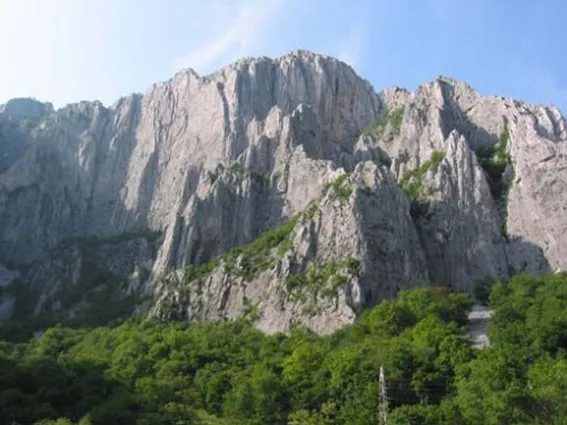
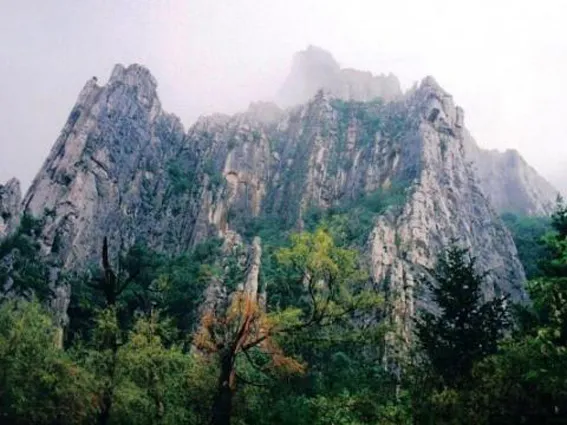
Right above the town of Vratsa, the Balkan Mountains split open. The Leva River has cut Vratsata Gorge – a narrow gateway between vertical limestone walls up to 400 m high, the highest sheer cliffs in the Balkan Peninsula. The Vratsa Karst Nature Reserve protects a continuous rock band about 10 km long, full of caves, sinkholes, chasms and waterfalls – all just an hour and a half from Sofia.
What to see
- Vratsata Gorge – the road to Ledenika runs right through it. Stop at the car park beneath the cliffs to watch climbers on the walls. There’s also a via ferrata route for beginners, with gear and an instructor.
- Ledenika Cave – about 16 km from Vratsa, the best-known cave in northwest Bulgaria. Its vast “Concert Hall” sometimes hosts real concerts. In winter, icicles form at the entrance, which gives the cave its name (“led” means ice).
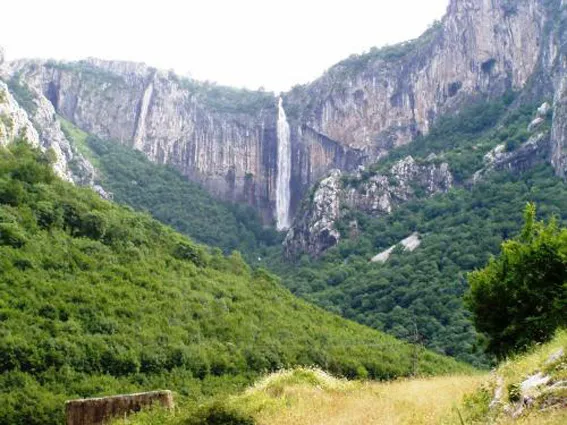
- Skaklya waterfall near Zgorigrad – one of the highest waterfalls in Bulgaria (over 140 m), though it’s seasonal. It’s fullest in spring and after rain. Nearby is a memorial to the victims of the 2014 Zgorigrad flood.
- Okolchitsa Peak – where the poet and revolutionary Hristo Botev was killed in 1876. Every 2 June, the Botev memorial trek ends here.
- Vratsa Regional History Museum – home to the Rogozen Treasure, the largest Thracian silver hoard ever found.
One-day itinerary
- Morning – leave Sofia on the E79 via Botevgrad and reach Vratsa around 10:00.
- Vratsata – walk beneath the cliffs and take photos from the viewing area.
- Ledenika – a guided cave tour (about 45 minutes).
- Lunch – at a mountain hut or restaurant.
- Afternoon – Skaklya (if it’s flowing) or the history museum in Vratsa.
Getting there
By car – along the E79 via Botevgrad and Mezdra, about 110 km and 1 h 30 min. By train – Vratsa is on the Sofia–Vidin line (about 2 h). A city bus or taxi takes you from the station to Vratsata.
When to visit
April–October is best for hiking and climbing, and spring is best for the waterfalls. Winter is quiet, and Ledenika is especially beautiful with its ice formations.
Practical tips
- The cave is cold – around 8–10 °C – so bring a jacket.
- Trails in the Vratsa Balkan Nature Park are marked. Wear hiking shoes.
- Climbers come from all over Europe. If you want to try, hire an instructor from a local club.
Nearby
- The Iskar Gorge, with the Lakatnik Rocks and Skaklya waterfall at Bov. See the Iskar Gorge.
- The Belogradchik Rocks – about 1 h 30 min northwest. See Belogradchik.
FAQ
Is it good for kids? Yes. Vratsata and Ledenika are easy to reach, and kids love the cave. The path to Skaklya is steeper.
Photos
Updated: November 2026
More places nearby
-
 Bulgaria
The Iskar Gorge – Lakatnik Rocks and Skaklya waterfall
A day out in the Iskar Gorge – the Lakatnik Rocks and Temnata Dupka cave, Skaklya waterfall at Bov and Cherepish Monastery. By car or by train from Sofia.
-
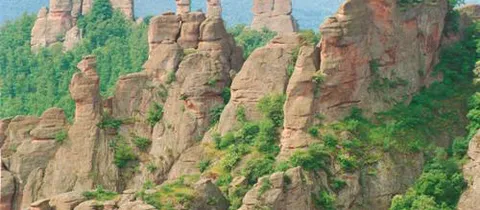 Bulgaria
Belogradchik Rocks and Fortress – travel guide
The Belogradchik Rocks, Kaleto Fortress and the Magura and Venetsa caves – what to see, how to get there from Sofia and a 1–2 day plan.
-
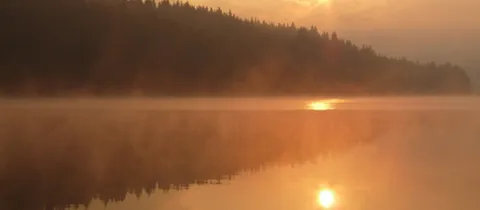 Bulgaria
Beglika – lakeside camping in the pine forests of the Western Rhodopes
Beglika reservoir in the Western Rhodopes – lakeside camping, misty sunrises, fishing, kayaking and the Beglika Fest. What to bring and how to get there.
-
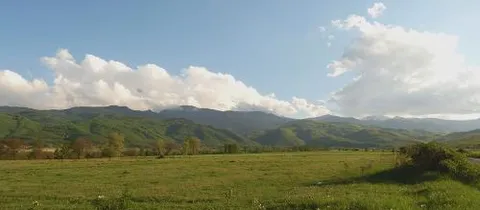 Bulgaria
Dolna Banya – hot springs and easy hikes at the foot of Rila
A weekend in Dolna Banya – hot mineral springs, easy hikes in northern Rila, Kostenets waterfall, Borovets and scenic flights over the valley.