Jerusalem and the Holy Land – a 6-day pilgrimage route
A route through the Holy Land – the Holy Sepulchre, Bethlehem, Nazareth, the Sea of Galilee, the Jordan River and the Dead Sea. What to see and practical tips.
- Best time to visitMarch – May and October – November
- Suggested stay6–7 days
- Getting therefly to Tel Aviv (~2 h 30 min from Sofia)
Safety first. The situation in the region can change quickly. Before planning a trip, check your government’s current travel advice and the entry requirements.
For centuries Jerusalem and the Holy Land have been the dream destination of pilgrims. In a small area lie the places linked to the lives of Christ, the prophets and the apostles: Bethlehem, Nazareth, Galilee, Jericho, the Judaean Desert and, above all, the Holy City. Jerusalem is sacred to Jews and Muslims as well, and this mix of faiths, languages and eras makes the journey unforgettable.
Jerusalem’s Old City
The Old City sits within Ottoman walls and is divided into four quarters – Christian, Jewish, Muslim and Armenian. It has been on the UNESCO World Heritage list since 1981.
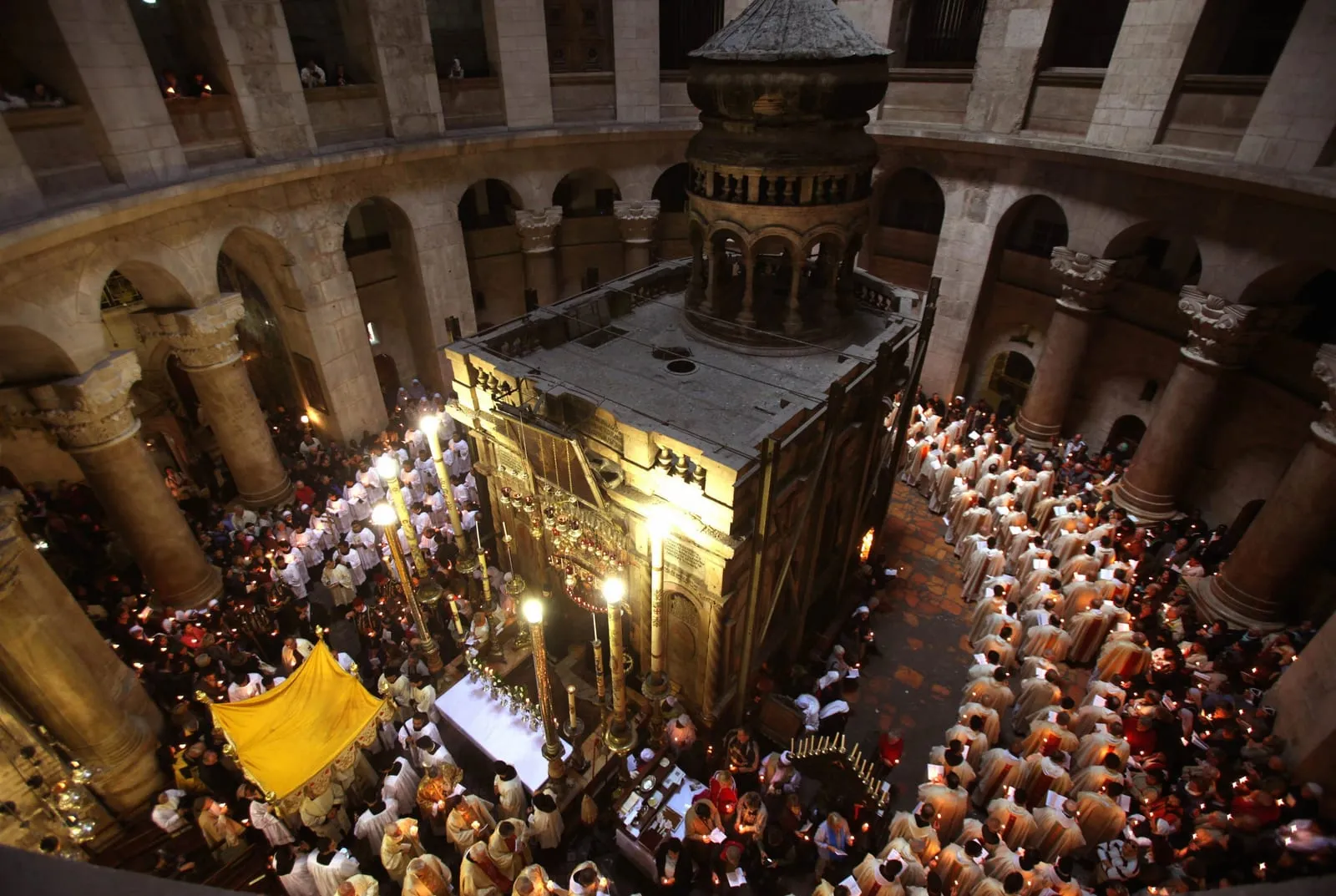
- The Church of the Holy Sepulchre – Christianity’s holiest site, covering Golgotha and the tomb of Christ (the Aedicule). It’s shared by several churches – Orthodox, Catholic, Armenian, Coptic and others. On Holy Saturday, the Holy Fire ceremony takes place here.
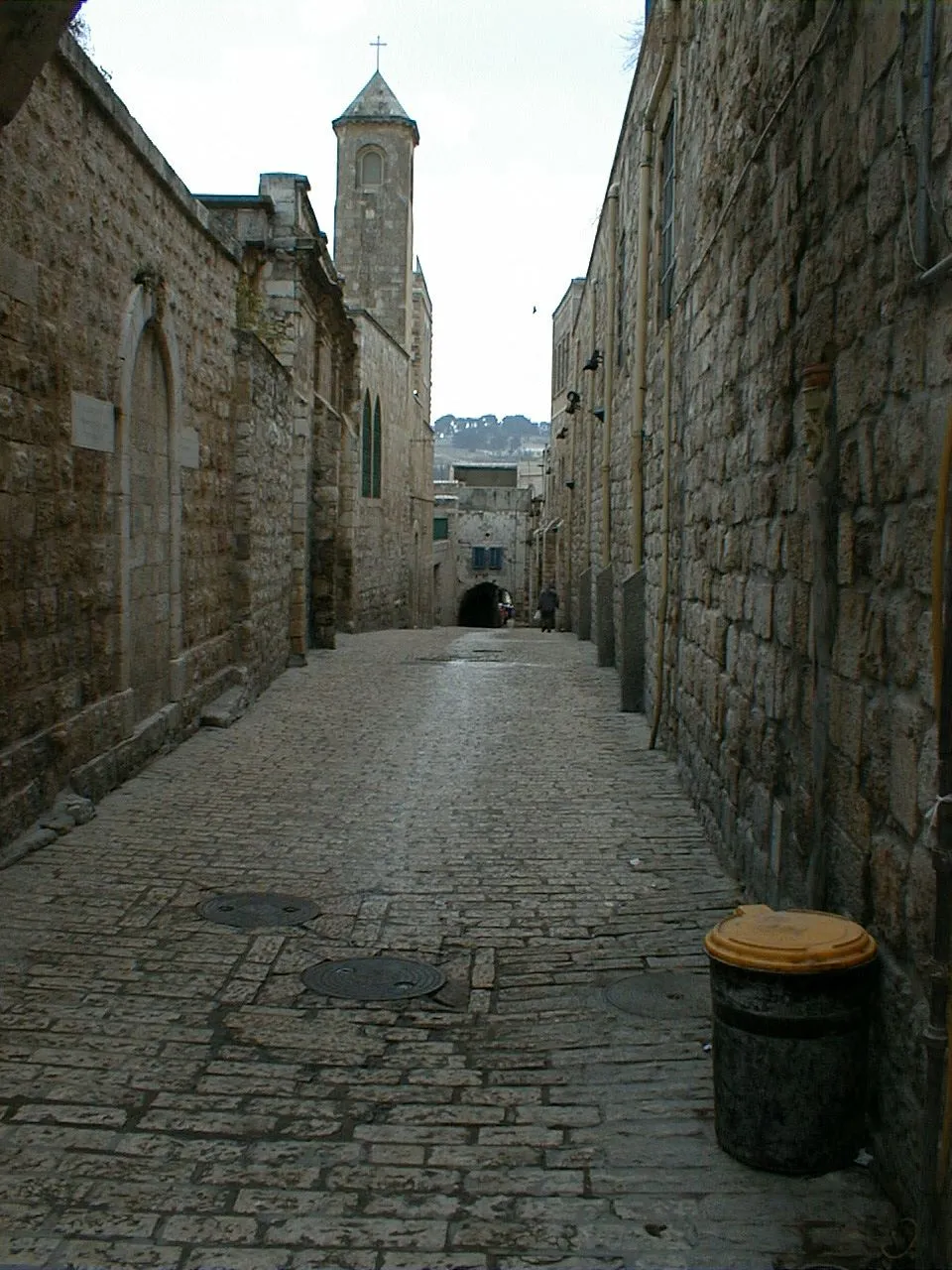
- The Via Dolorosa (Way of the Cross) – the street with the 14 Stations of the Cross. It starts near the Pool of Bethesda.
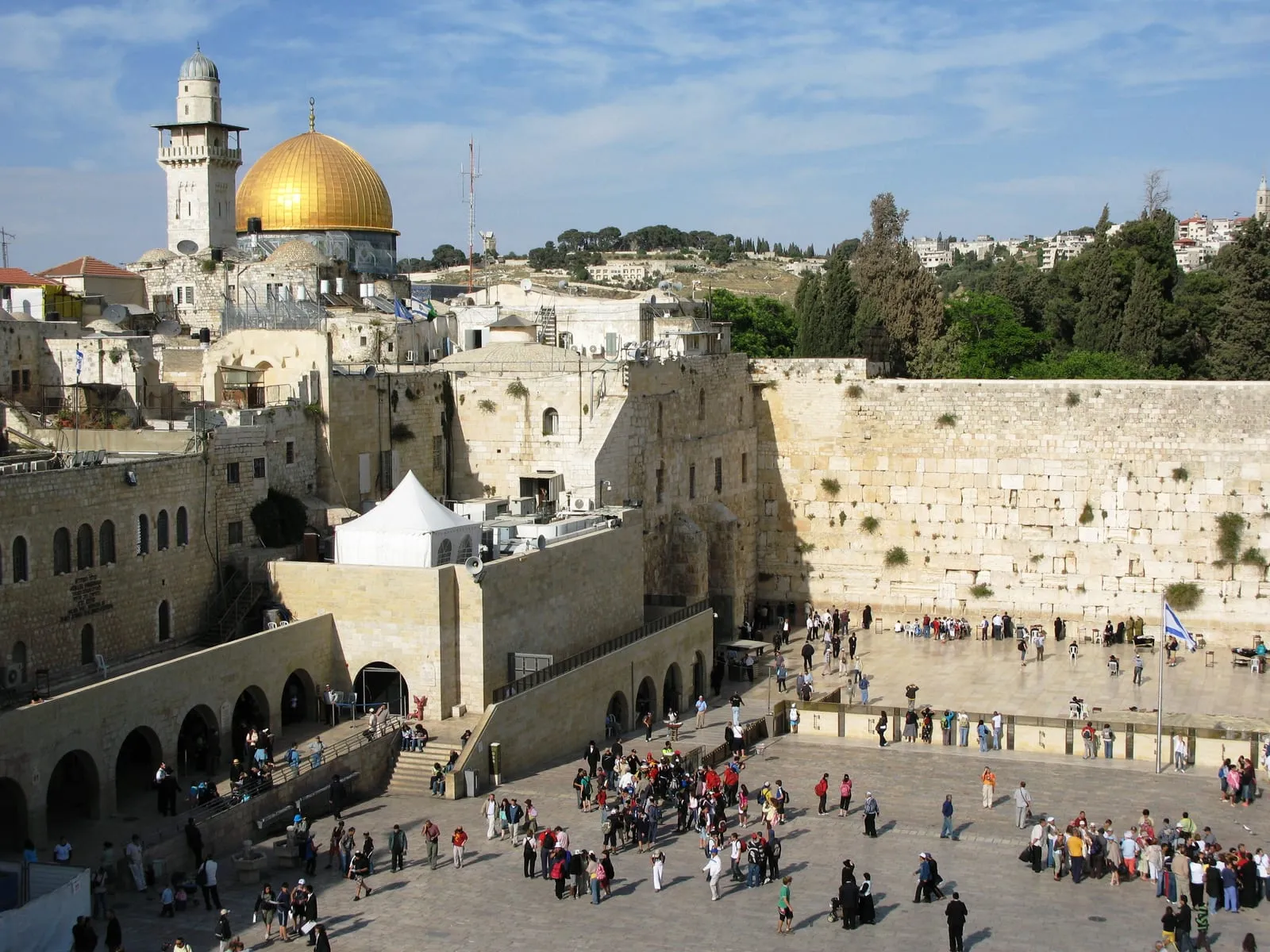
- The Western Wall – the surviving retaining wall of the Second Temple and the holiest place in Judaism.
- The Temple Mount, with the Dome of the Rock and Al-Aqsa Mosque. Access for non-Muslims is limited to certain hours.
- The Cardo – the Roman main street in the Jewish Quarter.
The Mount of Olives and Mount Zion
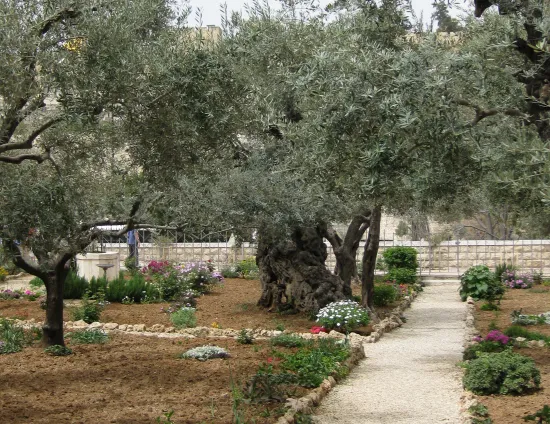
- The Garden of Gethsemane – centuries-old olive trees and the Church of All Nations.
- The Tomb of the Virgin Mary – an underground church in the Kidron Valley.
- The Mount of Olives – the site of the Ascension, with the best view of the Old City. The golden-domed Russian Church of St Mary Magdalene is here too.
- Mount Zion – the Cenacle (Room of the Last Supper) and the Dormition Abbey.
Bethlehem, Jericho and the Dead Sea
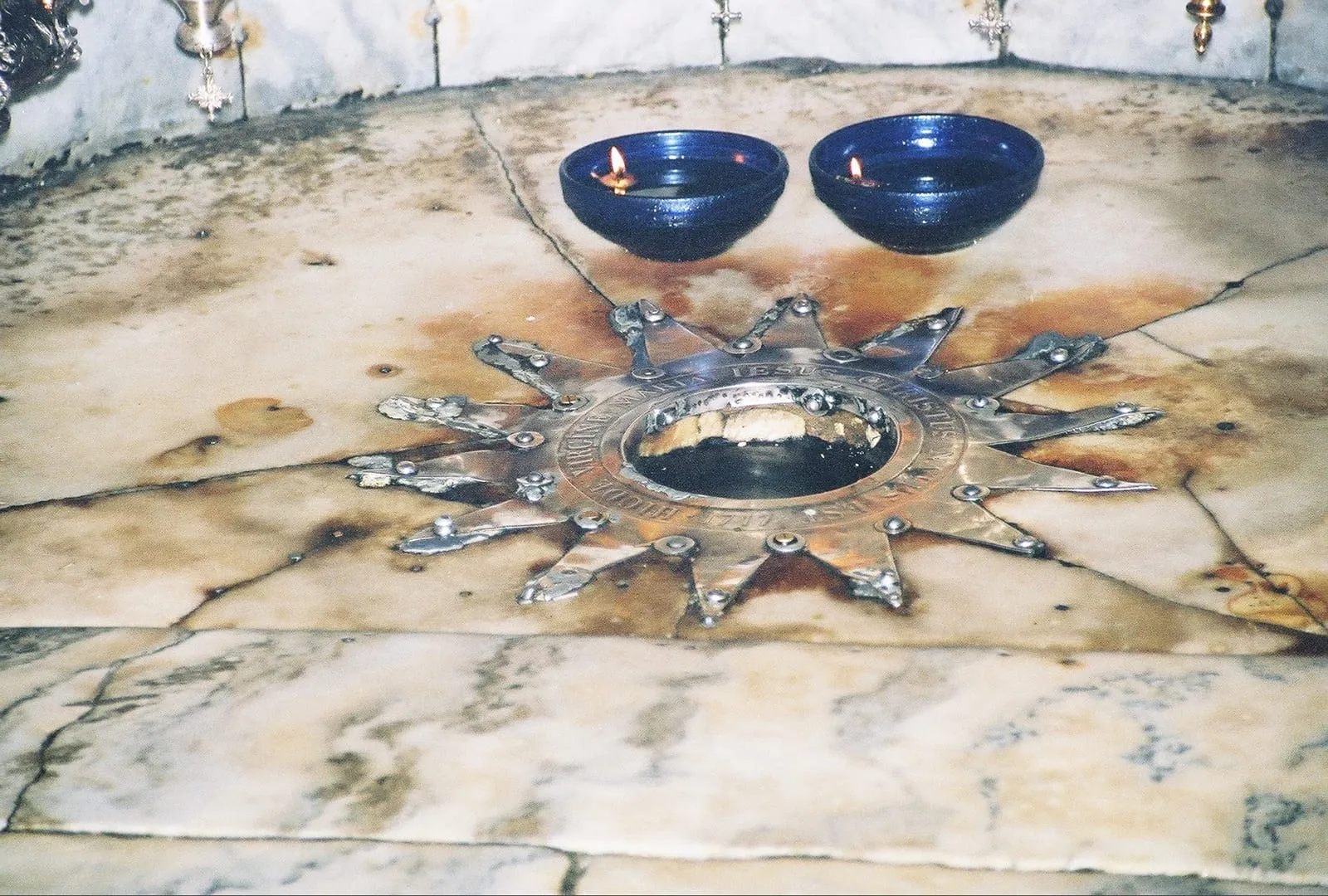
Bethlehem is about 10 km from Jerusalem, in the West Bank. You pass through a checkpoint, so carry your passport. The Church of the Nativity is one of the oldest working churches in the world. Beneath it is the grotto marked by a silver star. Nearby are the Milk Grotto, Shepherds’ Field, and the monasteries of St Theodosius and Mar Saba (the latter admits men only).
To the east, the road drops through the Judaean Desert to Jericho, one of the oldest towns on earth, with the Mount of Temptation and the Monastery of St Gerasimos. Nearby is the Dead Sea – the lowest point on land (about 430 m below sea level), where the water holds you afloat.
Galilee
- Nazareth – the Basilica of the Annunciation and the Orthodox church at Mary’s Well.
- Cana – the site of the first miracle.
- Mount Tabor – the Monastery of the Transfiguration.
- The Sea of Galilee – Tabgha (the multiplication of the loaves and fishes), Capernaum and the Mount of Beatitudes.
- The Jordan River – pilgrims immerse themselves at Yardenit.
Sample 6-day itinerary
- Arrive in Tel Aviv. Lod, with the tomb of St George, and old Jaffa. Overnight in Bethlehem.
- Bethlehem. The Church of the Nativity, Milk Grotto, Shepherds’ Field, St Theodosius and Mar Saba.
- Bethany, Jericho and the Dead Sea, plus the Monastery of St Gerasimos. Overnight in Nazareth.
- Galilee. Tabor, Nazareth, Cana, the Jordan at Yardenit, Tabgha, Capernaum and the Mount of Beatitudes. On to Jerusalem.
- Jerusalem. Gethsemane, the Virgin’s tomb, the Mount of Olives, Bethesda, the Via Dolorosa and the Holy Sepulchre.
- Jerusalem. Mount Zion, the Cenacle, the Western Wall, the Temple Mount and the four quarters. Fly home.
Getting there
By air to Ben Gurion Airport near Tel Aviv (about 2 h 30 min from Sofia). Direct flights usually run, but schedules change. From the airport, a fast train reaches Jerusalem in about 30 minutes, or you can take a sherut (shared taxi).
Documents – EU citizens don’t need a visa for tourist stays of up to 90 days. Israel requires an advance electronic travel authorisation (ETA-IL); check the current rules on the official website before you go. Your passport must be valid for at least 6 months.
When to visit
Spring (March–May) and autumn (October–November) are the most pleasant. Summer is very hot, especially around the Dead Sea and Jericho. Orthodox Easter is extremely busy; book months ahead if you want to attend the Holy Fire.
Practical tips
- Shabbat (Friday evening to Saturday evening) – public transport barely runs and many shops close.
- Dress code – cover shoulders and knees in churches, at the Western Wall and on the Temple Mount. Women need a headscarf in some places.
- Always carry your passport – there are checks, especially when crossing to the West Bank.
- The currency is the Israeli shekel (ILS). Cards are widely accepted.
FAQ
Is it safe? It depends on the moment. Follow official government advice and embassy updates, and avoid border areas and protests.
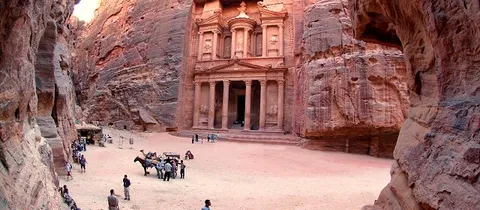
Can I combine it with Jordan? Yes. There are land border crossings, and many pilgrims add Bethany beyond the Jordan (the baptism site) and Petra. See our Jordan guide.
Photos
Updated: November 2026