Rome – a 4 to 5 day guide, plus the tomb of St Cyril
What to see in Rome – the Colosseum, the Vatican, early Christian basilicas, St Cyril's tomb in San Clemente and a day trip to Pompeii and Naples.
- Best time to visitApril – June and September – October
- Suggested stay4–5 days
- Getting theredirect flights from Sofia (~2 h)
Rome is a city where history is layered on every corner. Ancient ruins stand next to Renaissance palaces, and early Christian mosaics hide beneath Baroque churches. For Slavic visitors in particular, Rome has another meaning too. St Cyril, creator of the first Slavic alphabet, is buried here, and the Pope blessed the first Slavonic liturgical books in the Basilica of Santa Maria Maggiore.
Ancient Rome
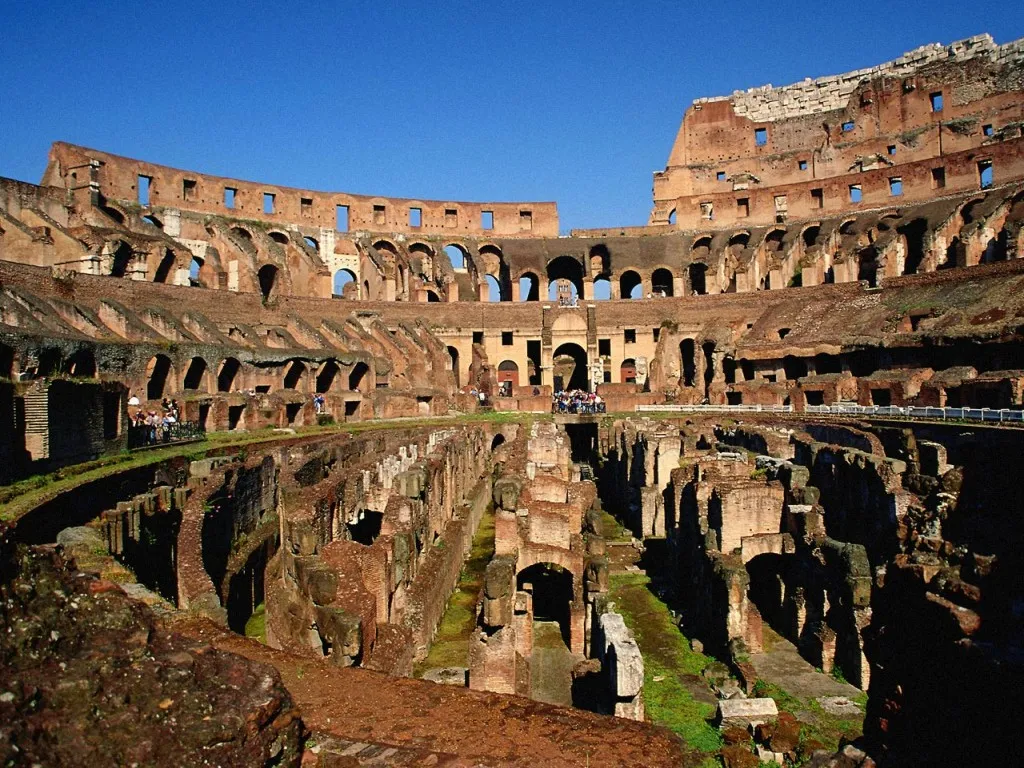
- The Colosseum – the largest amphitheatre of the Roman Empire, opened in AD 80, which held around 50,000 spectators. Buy a timed ticket online. The combined ticket usually includes the Forum and Palatine.
- The Roman Forum and Palatine Hill – the heart of the ancient city: temples, triumphal arches and the ruins of the imperial palaces.
- The Arch of Constantine – next to the Colosseum, built to celebrate Constantine the Great’s victory in 312.
- The Pantheon – home to the world’s largest unreinforced concrete dome, with an open oculus at the top. It was built under Emperor Hadrian in the 2nd century.
- Capitoline Hill – the square designed by Michelangelo and the Capitoline Museums.
The Vatican
The world’s smallest state holds some of its greatest art treasures.
- The Vatican Museums – Renaissance frescoes, ancient sculpture and, at the end of the route, the Sistine Chapel with Michelangelo’s ceiling and Last Judgement. Book ahead and arrive early.
- St Peter’s Basilica – the largest church in the world, built over the tomb of the Apostle Peter. Inside is Michelangelo’s Pietà. Climbing the dome gives the best view of Rome.
Shoulders and knees must be covered, or you won’t be let in.
Rome of the saints and martyrs
If early Christian Rome interests you, follow this route:
- San Clemente – the tomb of St Cyril, who died in Rome in 869. Bulgarian delegations traditionally visit on 24 May. Beneath the church are two more levels: a 4th-century basilica and Roman buildings with a temple of Mithras.
- Santa Maria Maggiore – one of the four papal basilicas, with 5th-century mosaics.
- Santa Pudenziana and Santa Prassede – small churches with exceptional early Christian mosaics.
- San Paolo fuori le Mura – with the tomb of the Apostle Paul.
- San Giovanni in Laterano – Rome’s cathedral. Santa Croce in Gerusalemme is nearby.
- The catacombs along the Appian Way and the little Domine Quo Vadis church.
Baroque squares and fountains
In the evening, stroll from Piazza Navona, with Bernini’s fountains, to the Trevi Fountain. Tradition says that throwing in a coin means you’ll return to Rome. Continue to the Spanish Steps, and cross the Tiber to Trastevere for the cosiest trattorias.
Sample 5-day itinerary
Day 1. The Colosseum, Forum, Palatine and Capitoline Hill.
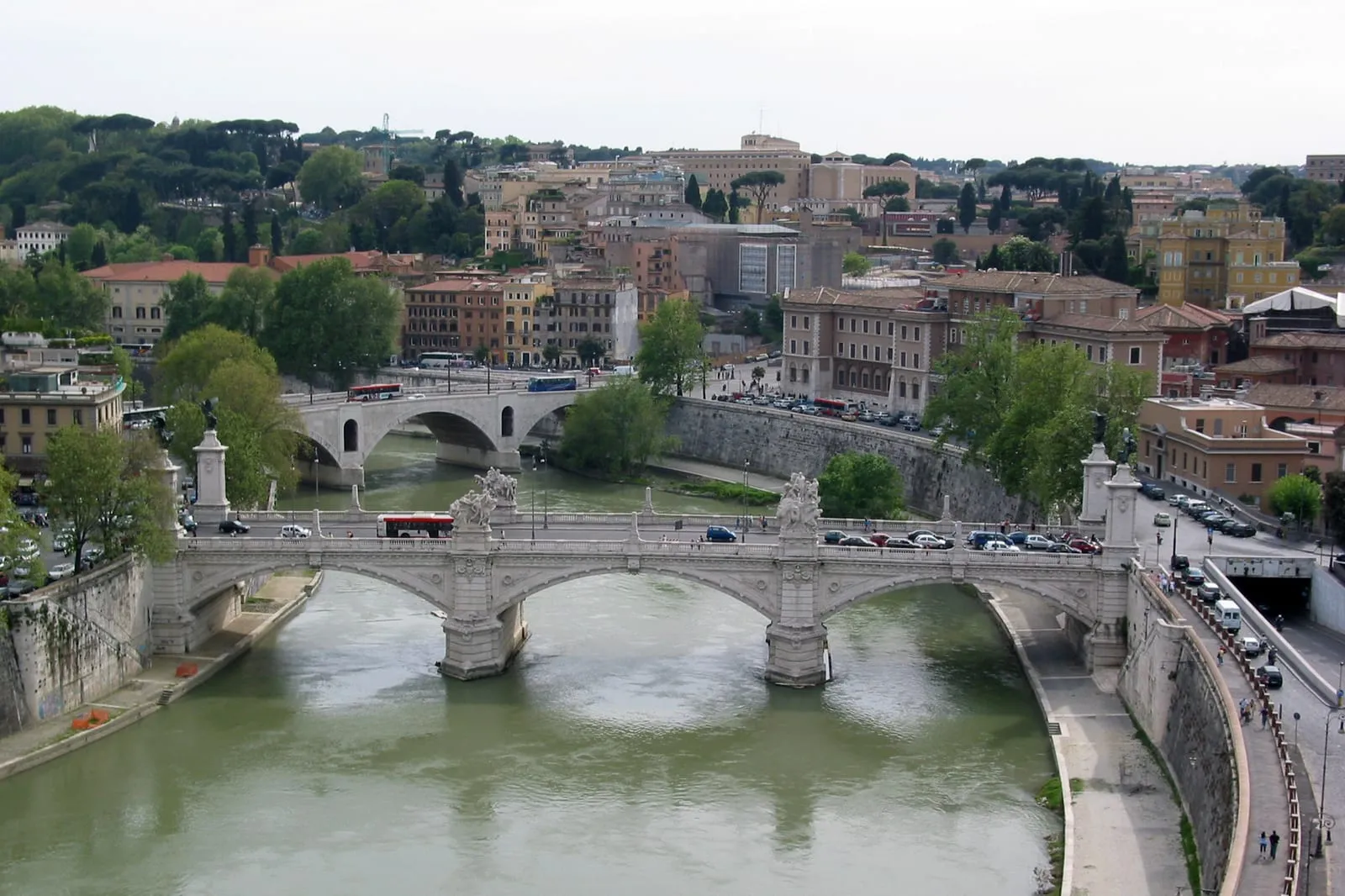
Day 2. The Vatican Museums, Sistine Chapel, St Peter’s and the dome. In the afternoon, visit Castel Sant’Angelo.
Day 3. San Clemente, San Giovanni in Laterano and Santa Maria Maggiore. In the evening, the Pantheon, Navona and Trevi.
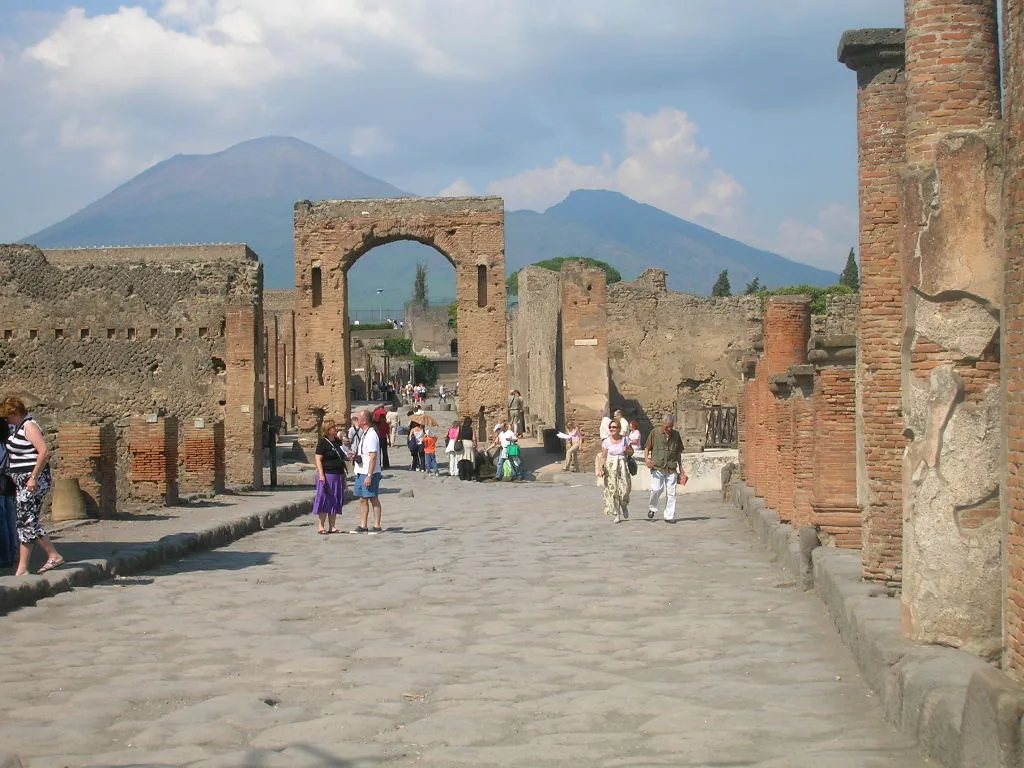
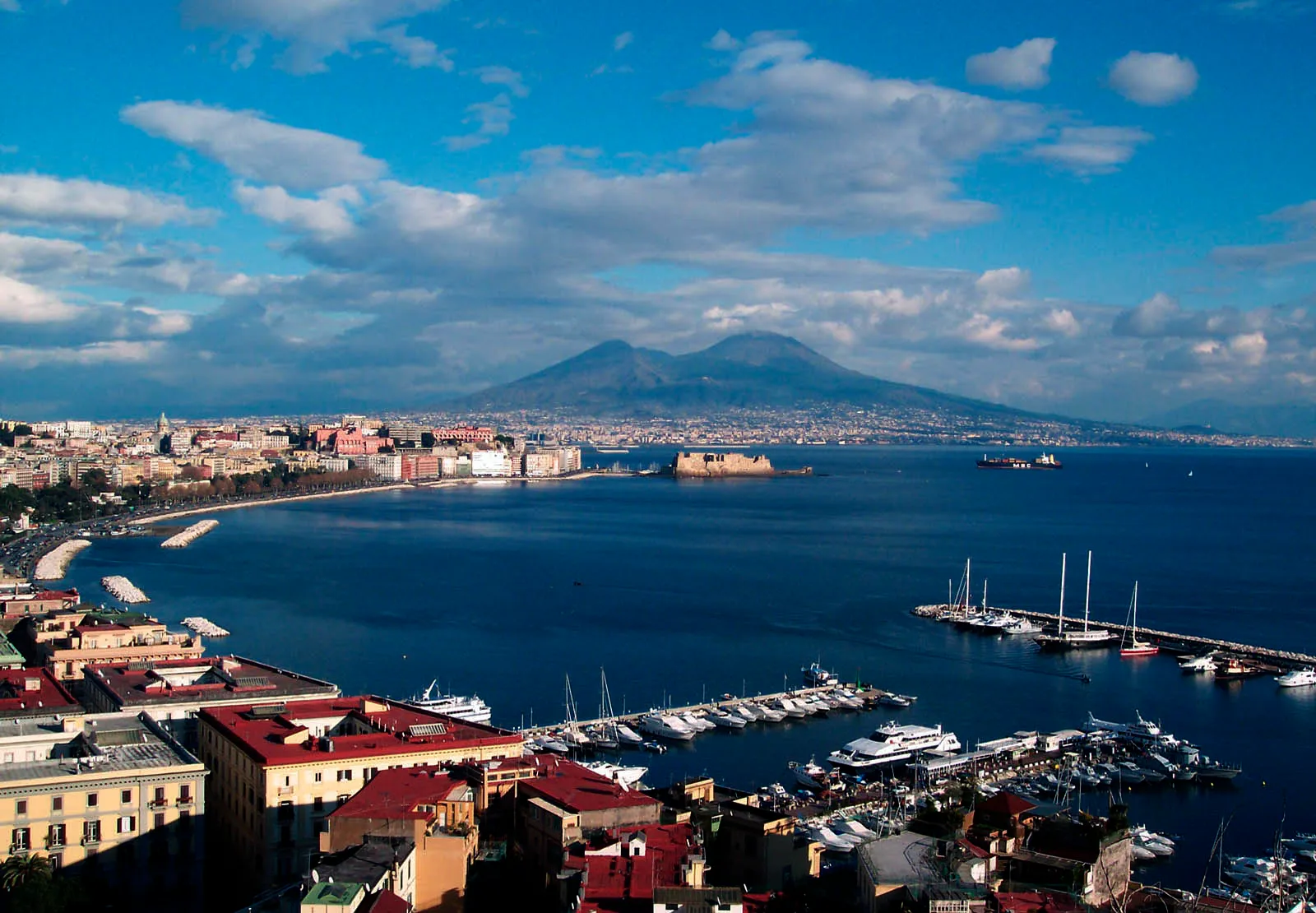
Day 4. A day trip to Pompeii and Naples by high-speed train (about 1 h 10 min to Naples). Walk the excavations and have a real Neapolitan pizza.
Day 5. The catacombs and the Appian Way (rent a bike), then Trastevere in the afternoon.
Getting there and around
By air – direct flights run from Sofia to Fiumicino and Ciampino airports. From Fiumicino, an express train (about 30 minutes) and buses run to Termini station.
In the city – the metro has three lines (A, B, C) and reaches most major sights, though the centre is best explored on foot. Tickets cover the metro, buses and trams, and there are 24-hour and 72-hour passes.
When to visit
April–June and September–October are best. July and August are very hot (above 35 °C) and crowded. Easter and Christmas at the Vatican draw huge crowds. Winter is mild and quiet.
Practical tips
- Book the Colosseum and Vatican Museums in advance. Queues without a booking last hours.
- Watch out for pickpockets on the metro and around Termini.
- Drink from the public fountains (“nasoni”). The water is cold and clean.
- Hotels charge a city tax per person per night.
- Many churches close at midday. Plan visits for the morning and late afternoon.
FAQ
How many days do I need in Rome? At least three for the highlights. Five days lets you add Pompeii and the early Christian route.
Where exactly is St Cyril’s tomb? In the Basilica of San Clemente, about 10 minutes’ walk from the Colosseum. The tomb is in the lower basilica, and there’s a fee for the underground levels.
Is Rome good for kids? Avoid the summer heat with young children. Older kids love the Colosseum, Pompeii and the catacombs. See our tips for travelling with kids.
Photos
Updated: November 2026
More places nearby
-
 Czech Republic
Prague – a 3 to 5 day travel guide
What to see in Prague – the Castle, Charles Bridge, the Old Town, a Vltava cruise, Czech beer and day trips to Karlštejn and Kutná Hora.
-
 Italy
Andalo – a ski holiday in the Italian Dolomites
Skiing in Andalo and the Paganella area in the Dolomites – slopes for all levels, Lake Molveno, a family atmosphere and getting there by charter or car.
-
 France
Brittany – France's pirate coast and Mont-Saint-Michel
A walking route through Brittany and Normandy – the corsair city of Saint-Malo, Mont-Saint-Michel abbey, Cancale's oysters, Dinan and the GR34 cliff path.
-
 Italy
Italy by train – Rome, Florence and Venice in a week
The classic Italian trio by high-speed train – Rome, Florence with the Uffizi and Ponte Vecchio, Tuscany, Pisa and Venice. Itinerary, tickets and tips.