Loire Valley castles on foot and by bike – from Chambord to Chenonceau
How to tour the Loire castles on foot or by bike – Chambord, Cheverny, Blois, Chenonceau, Amboise and Leonardo's Clos Lucé. Routes, bases and tips.
- Best time to visitMay – June and September
- Suggested stay5–8 days
- Getting therefly to Paris, then train to Blois or Tours (~1–2 h)
The Loire Valley is the “Garden of France” and the land of castles. The stretch between Sully-sur-Loire and Chalonnes-sur-Loire is a UNESCO World Heritage Site. Here the kings of France and their favourites built Renaissance palaces among forests, vineyards and quiet rivers. The terrain is flat, the roads are calm and the castles are close together. That makes the region perfect for a walking or cycling tour – slow travel, wine in the evening and a new château every day.
Which castles to see
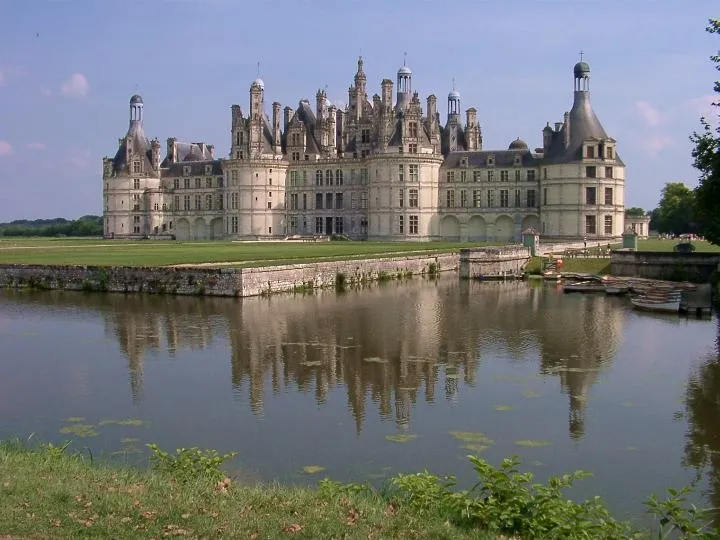
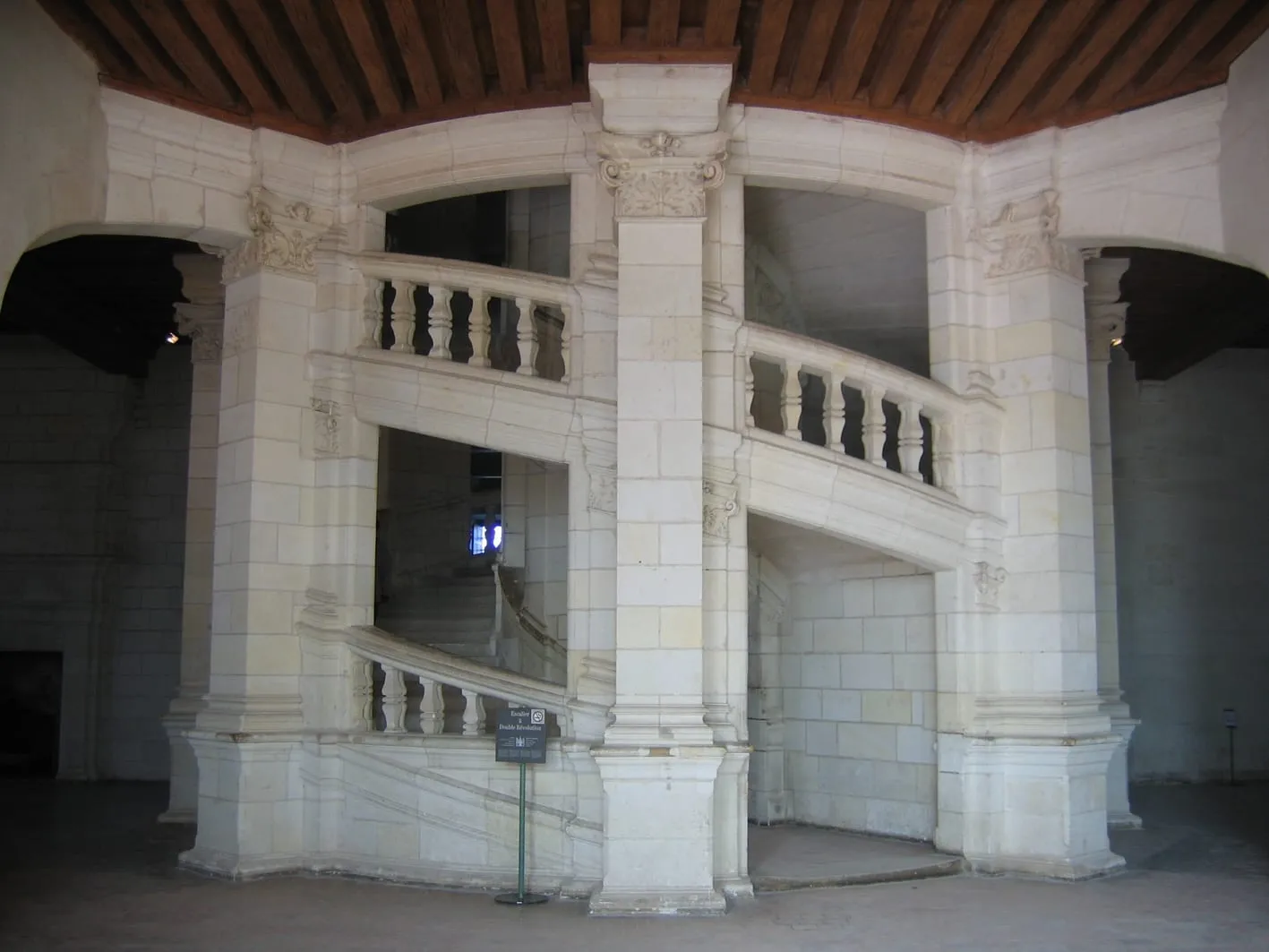
- Chambord – the largest château in the valley, with 440 rooms. It was built for King Francis I from 1519, and its design is attributed to ideas from Leonardo da Vinci. The highlight is the double-helix staircase: two people can climb at the same time without ever meeting. It sits in a huge walled forest park.
- Cheverny – an elegant classical château still lived in by its owners’ family; visitors see the lower floors. Cheverny was the model for Marlinspike Hall in the Tintin comics and has an exhibition about Hergé. The estate’s hunting hounds live in the kennels.
- Blois – a royal château in the middle of town. Its three wings show three eras – Gothic, Renaissance and Classical. Opposite is the House of Magic, dedicated to the magician Robert-Houdin.
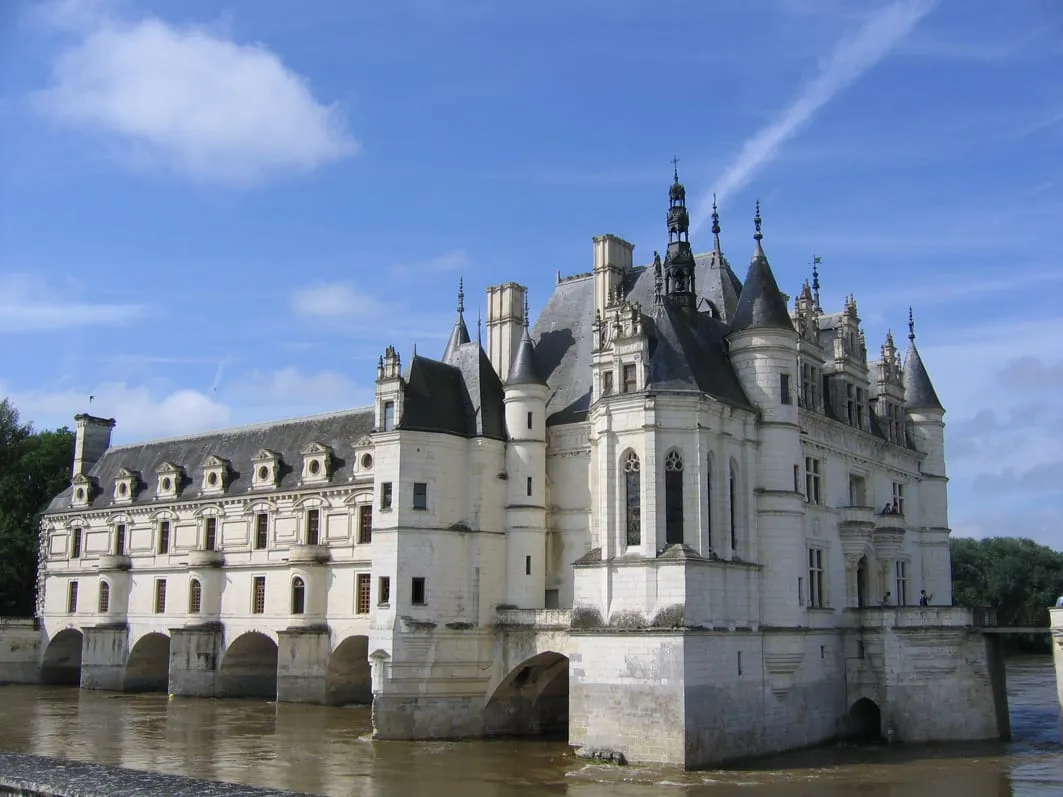
- Chenonceau – the “ladies’ château”, built as a bridge across the River Cher. Diane de Poitiers, favourite of Henry II, lived here until his wife Catherine de’ Medici threw her out after the king’s death. Each woman’s garden lies on one side of the château.
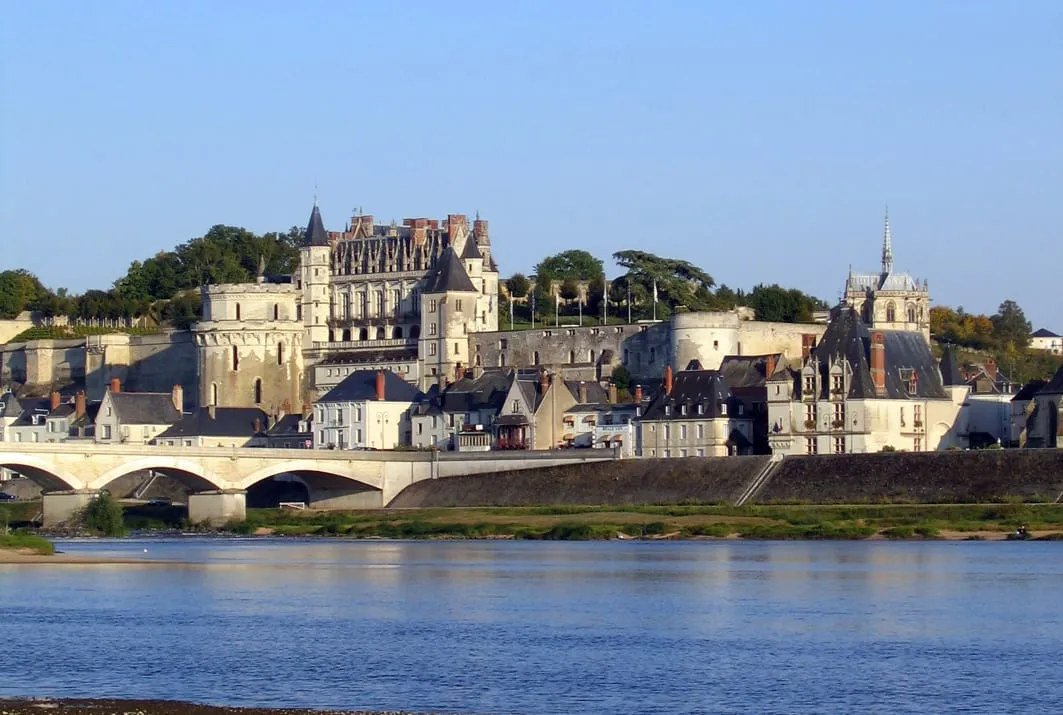
- Amboise – the royal château on a hill above the Loire. Leonardo da Vinci’s tomb is in its Chapel of Saint-Hubert.
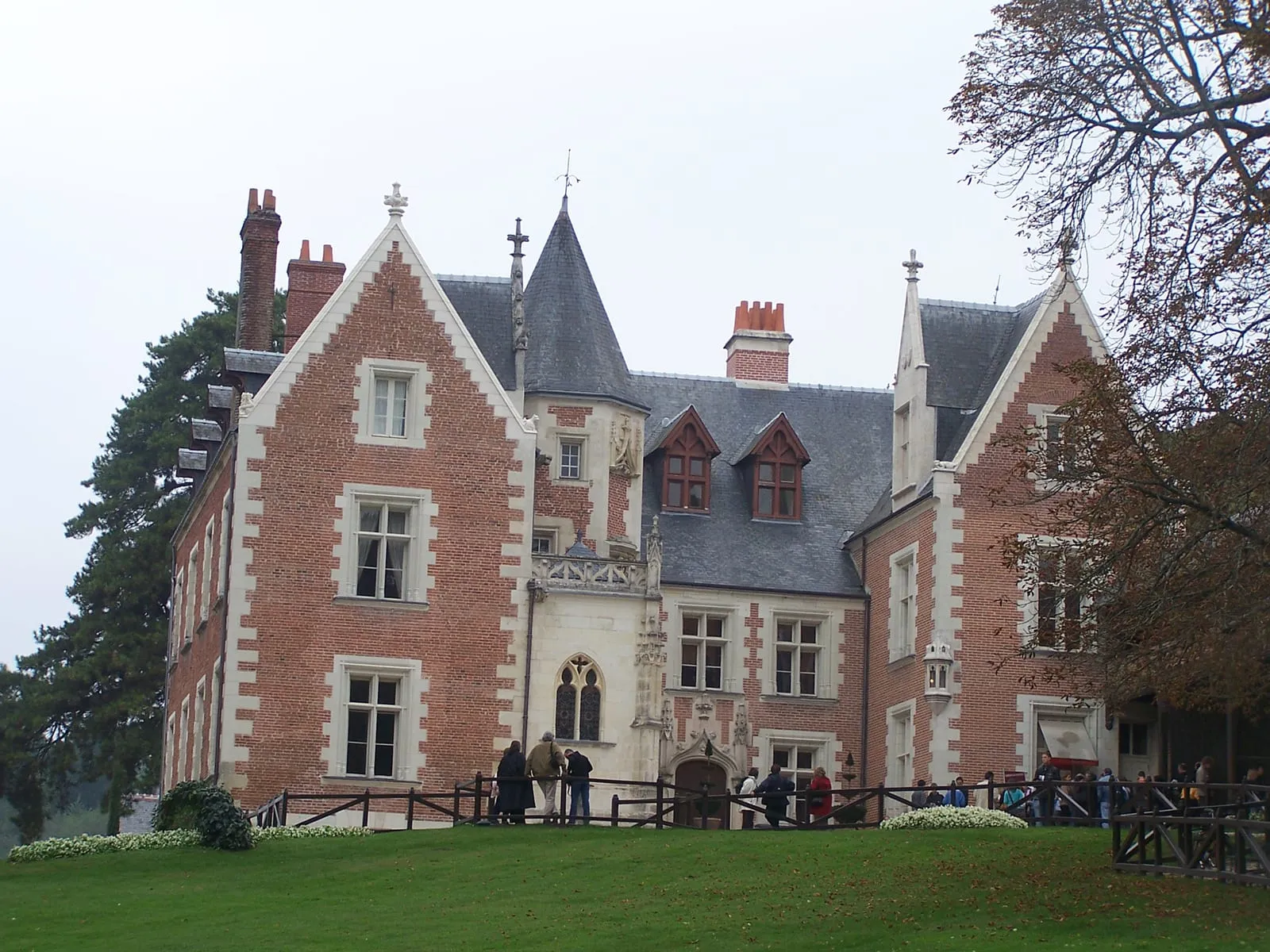
- Clos Lucé – the Amboise manor where Leonardo spent his last years and died in 1519. Its park has working models of his inventions.
Walking route: Blois to Amboise (8 days)
This route follows the old “Royal Palaces and Leonardo” programme. Daily walks are about 20 km on flat ground.
- Blois – arrive and stroll the medieval lanes.
- Blois – Bracieux (~20 km) – through the forest to a village in the Sologne, known for its estates and wines.
- Bracieux – Chambord – Bracieux (~20 km) – through the huge forest to Chambord.
- Bracieux – Cheverny – Bracieux (~20 km) – through vineyards and fields, past the Château de Troussay.
- Transfer to Chissay, walk to Bourré and Montrichard (~19 km) – in the Cher valley, with vineyards and old quarries turned into mushroom farms.
- To Chenonceau and back (21–25 km) – along the River Cher.
- Through the Amboise forest to the Loire – Clos Lucé and the royal château.
- Leave Amboise.
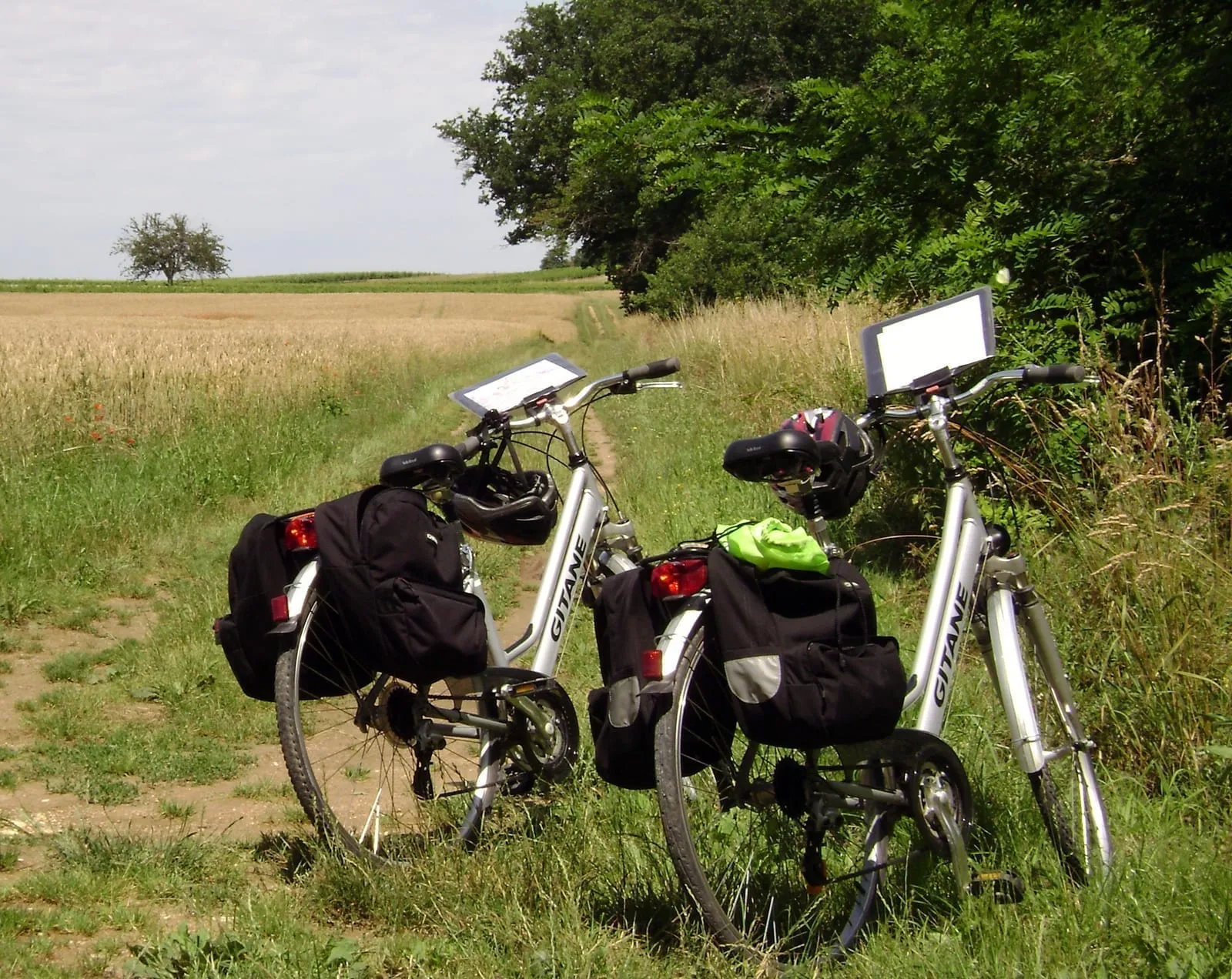
By bike: one base, a new castle every day
If you’d rather not change hotels, base yourself in Bracieux, a quiet village among forests and vineyards a few kilometres from Chambord and Cheverny. Ride out each morning and come back in the evening:
| Day ride | Round trip |
|---|---|
| Chambord | ~24 km (34 km with a detour to the Loire) |
| Cheverny | ~50 km |
| Blois | ~40 km |
| Sologne lakes and estates | as you like |
You can rent bikes in Blois, Bracieux and most towns. La Loire à Vélo is a network of more than 900 km of signed routes, many of them car-free.
Wine and food
The region is known for white wines – Cheverny, Vouvray and Touraine – and for goat’s cheese. Try tarte Tatin: the caramelised upside-down apple tart was invented in Lamotte-Beuvron, in the same Sologne area. Many Cheverny winemakers welcome visitors for tastings.
Getting there
Fly to Paris, then take a train from Austerlitz to Blois (about 1 h 30 min – 2 h). Alternatively, take the TGV from Montparnasse to Saint-Pierre-des-Corps near Tours (about 1 h). Between small villages, rely on bikes, taxis or a rental car.
When to visit
May–June and September are ideal – lush greenery, gardens in bloom, mild temperatures and fewer crowds. In July and August the châteaux are packed and afternoons are hot. Many castles hold evening sound-and-light shows in summer.
Practical tips
- Buy tickets for Chambord and Chenonceau online. Combined passes for several châteaux are available.
- Book rooms in the small villages early – there aren’t many.
- Companies can move your luggage between hotels on walking and cycling tours.
- Most châteaux have apps or audio guides; check which languages are offered.
FAQ
How many castles can I see in a day? By car, two or three. On foot or by bike, one or at most two – but the journey between them is part of the pleasure.
Is it good for kids? Yes, especially the cycling option with one base. The paths are flat, and kids love Cheverny and Clos Lucé.
Photos
Updated: November 2026
More places nearby
-
 Italy
Rome – a 4 to 5 day guide, plus the tomb of St Cyril
What to see in Rome – the Colosseum, the Vatican, early Christian basilicas, St Cyril's tomb in San Clemente and a day trip to Pompeii and Naples.
-
 Italy
Andalo – a ski holiday in the Italian Dolomites
Skiing in Andalo and the Paganella area in the Dolomites – slopes for all levels, Lake Molveno, a family atmosphere and getting there by charter or car.
-
 France
Brittany – France's pirate coast and Mont-Saint-Michel
A walking route through Brittany and Normandy – the corsair city of Saint-Malo, Mont-Saint-Michel abbey, Cancale's oysters, Dinan and the GR34 cliff path.
-
 Italy
Italy by train – Rome, Florence and Venice in a week
The classic Italian trio by high-speed train – Rome, Florence with the Uffizi and Ponte Vecchio, Tuscany, Pisa and Venice. Itinerary, tickets and tips.