Vienna for art lovers – the museums you shouldn't miss
Vienna's museums – the Belvedere and Klimt's The Kiss, the Kunsthistorisches Museum, the Albertina, the Leopold and Schiele, the Secession and the MAK. How to plan them.
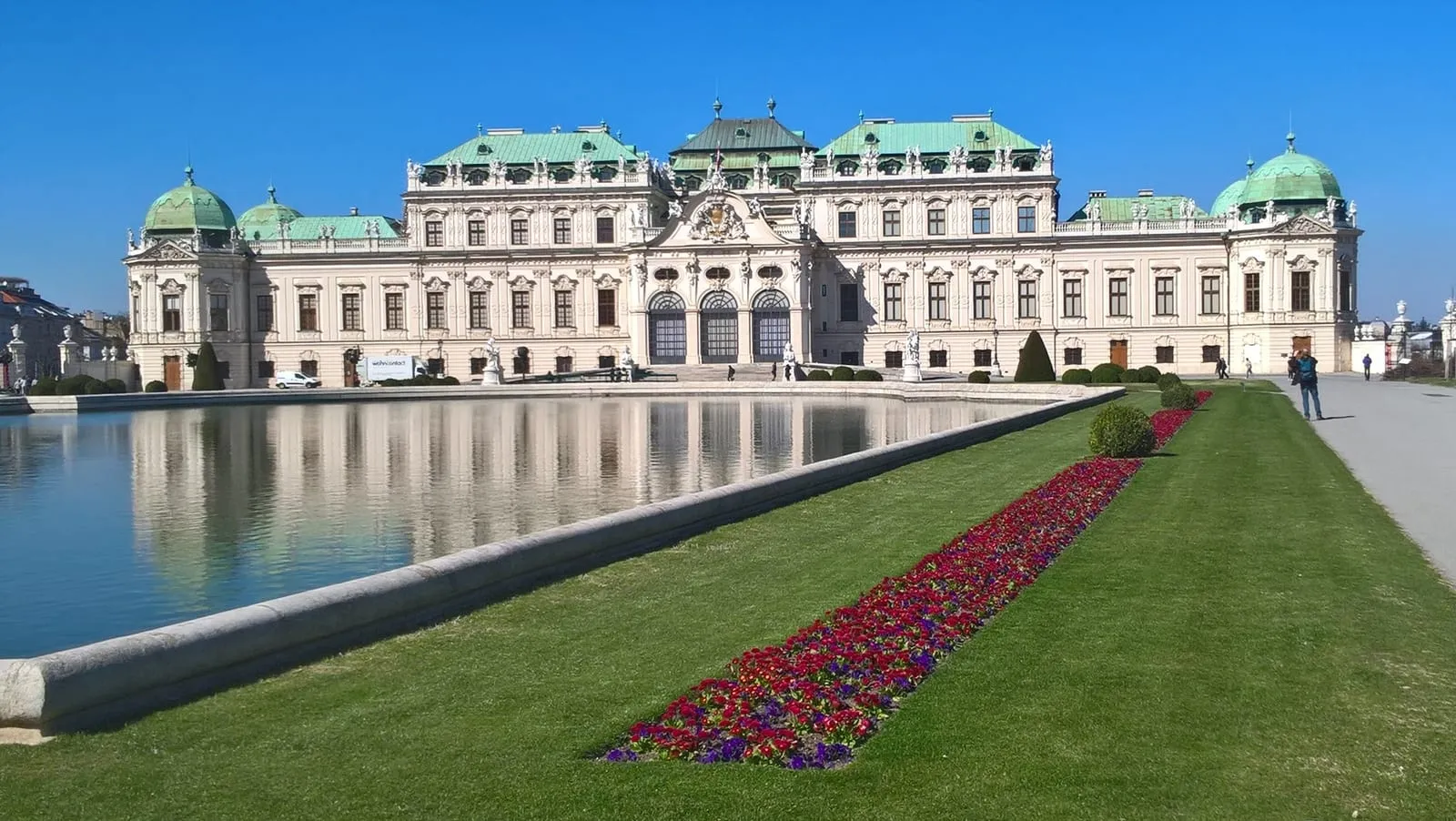
Vienna is one of Europe’s great art cities. It holds the treasures collected by the Habsburgs over centuries – Bruegel, Rubens, Rembrandt, Velázquez – and it was the birthplace of one of the most original movements in modern art, the Vienna Secession of Klimt, Schiele and Kokoschka. Here are the museums you shouldn’t miss, and how to combine them.
The Belvedere – from Baroque to Secession
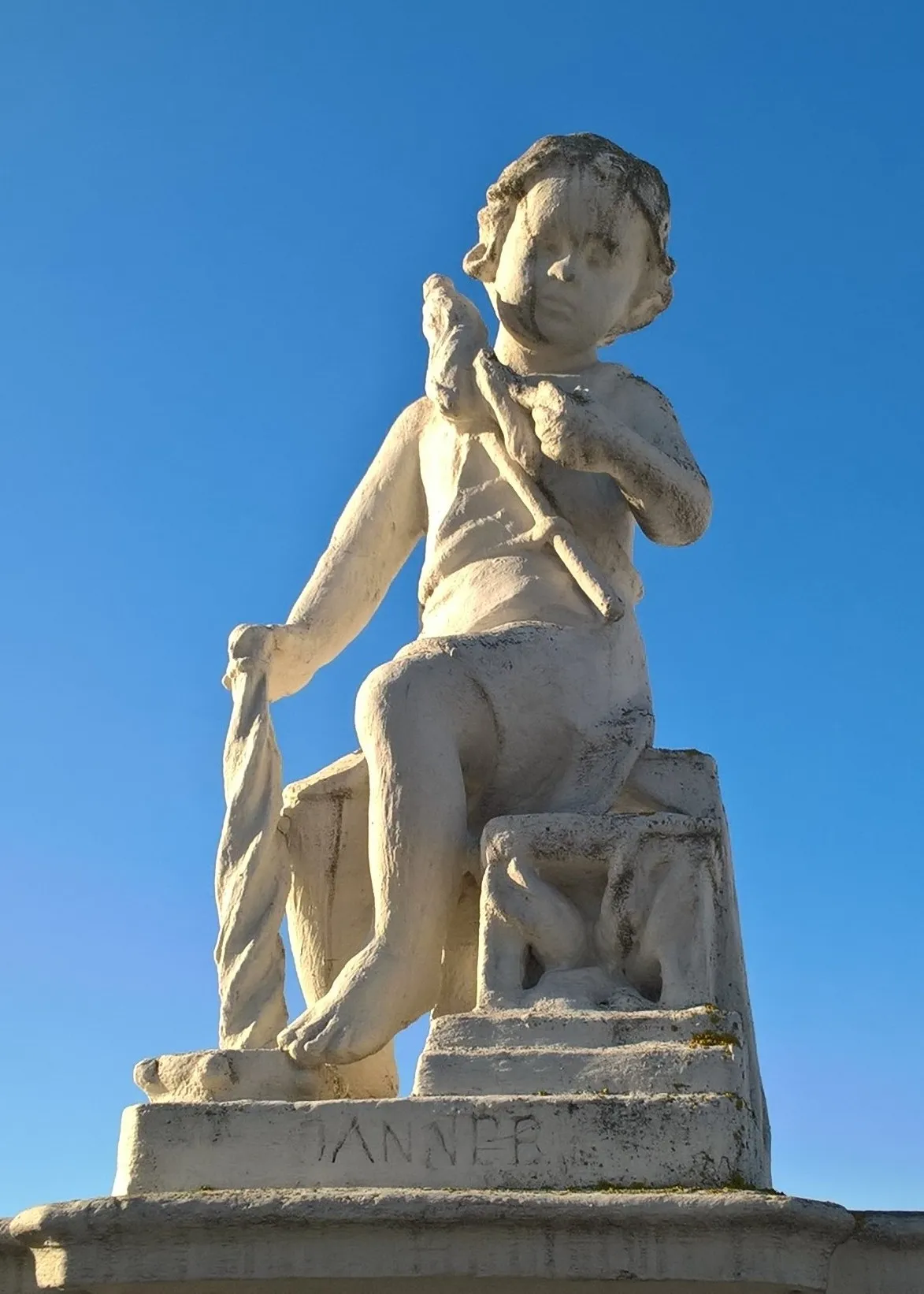
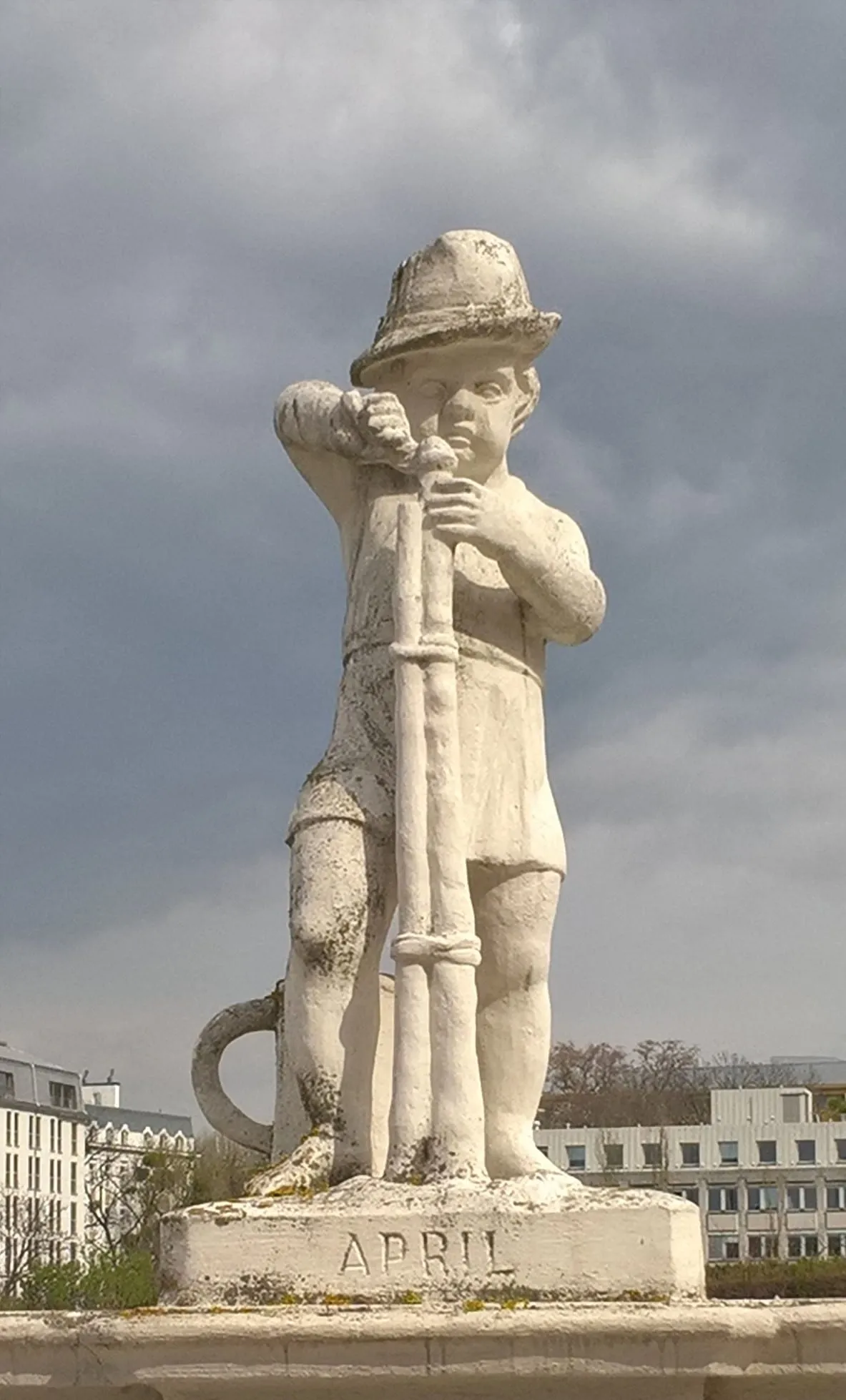
The Belvedere was the summer residence of Prince Eugene of Savoy, the great general who defeated the Ottomans, and it’s one of the most impressive Baroque palaces in Europe. The Upper and Lower Belvedere are linked by a Versailles-style garden. Along its broad steps stand twelve sculptures of putti (cherubs), each representing a month of the year – find your own.
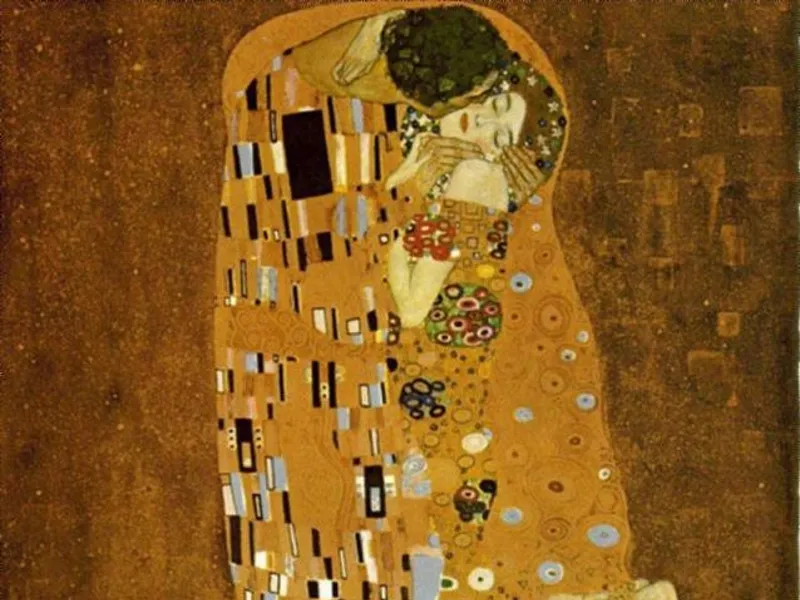
The Upper Belvedere holds the largest collection of Gustav Klimt paintings, including the iconic The Kiss (1908), plus works by Schiele, Kokoschka, Monet and Van Gogh. The Belvedere brings together both peaks of Viennese art – the Baroque and the Secession.
The Kunsthistorisches Museum
The Kunsthistorisches Museum (KHM) is one of the world’s greatest art collections. It has the largest group of paintings by Pieter Bruegel the Elder anywhere – Hunters in the Snow, The Tower of Babel, The Peasant Wedding – along with masterpieces by Dürer, Raphael, Titian, Caravaggio, Rubens, Rembrandt and Velázquez, whose portraits of the young Spanish infantas are among its most famous works.
Two themes make for a great walk through the museum:
- The self-portrait – a genre almost unknown in antiquity that flourished in the Renaissance alongside the cult of the individual and the artistic genius. Look for Parmigianino’s self-portrait in a convex mirror, and works by Rubens and Rembrandt.
- The nude – from the heroic nudity of ancient statues, through images of Christ, to the sensual bodies of the Baroque.
The Albertina
The Albertina, behind the Opera, holds one of the world’s largest collections of drawings and prints – from Dürer’s Young Hare to Raphael, Michelangelo, Rembrandt and Schiele. It stages major temporary exhibitions; in 2017–2018, for example, it showed 130 drawings and 17 paintings by Raphael. The permanent “Monet to Picasso” collection is a superb introduction to modern art.
The Leopold Museum and Egon Schiele
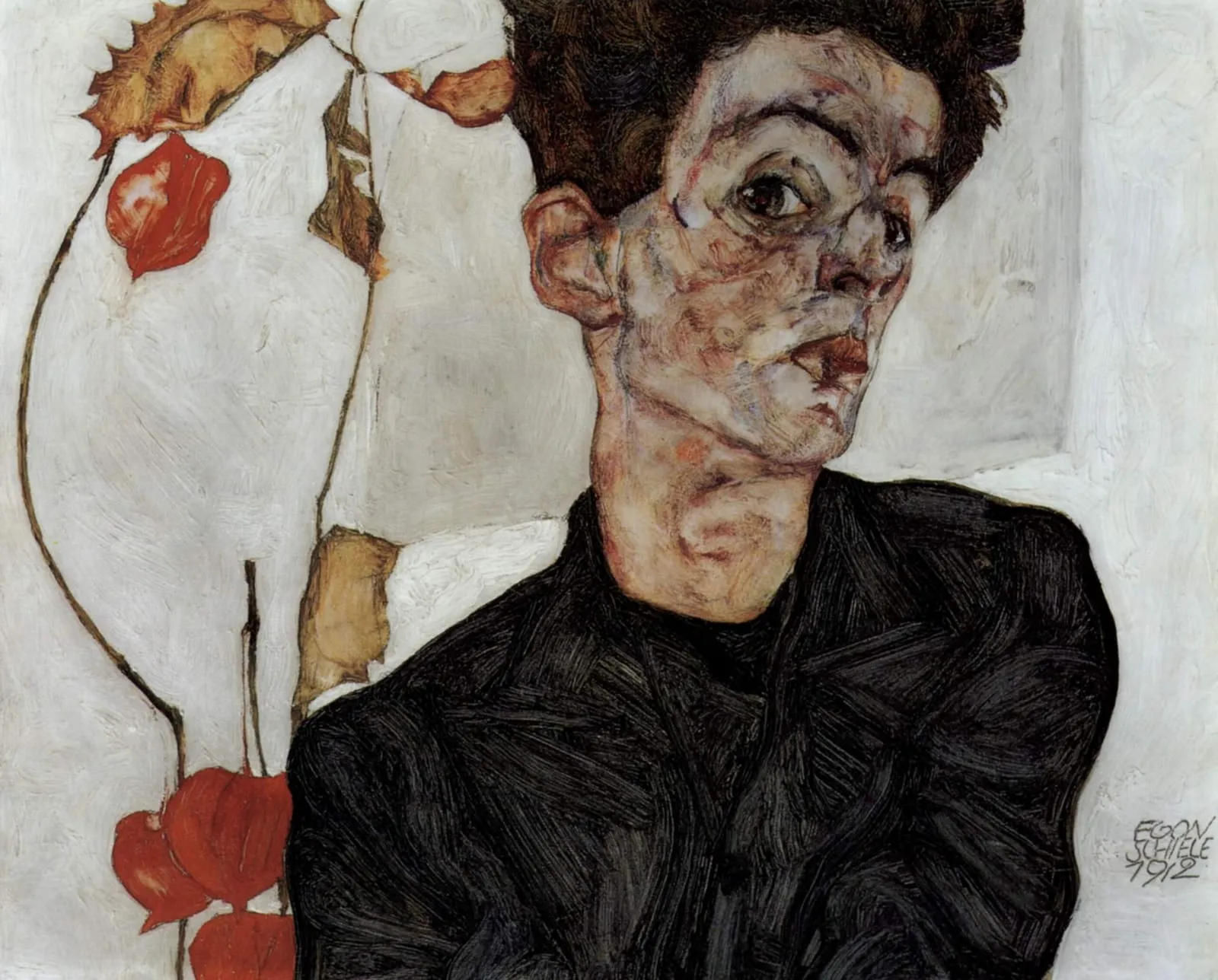
In the MuseumsQuartier is the Leopold Museum, opened in 2001, with the largest collection of works by Egon Schiele (1890–1918). Recognition came late for Schiele: as recently as the 1960s a respected English art journal dismissed his paintings as “daubs on public lavatories”. Today the contorted figures, grimacing faces and anguished bodies in his work are seen as some of the most powerful images of modernity. The museum also has many works by Klimt and Kokoschka.
The Secession and the Beethoven Frieze
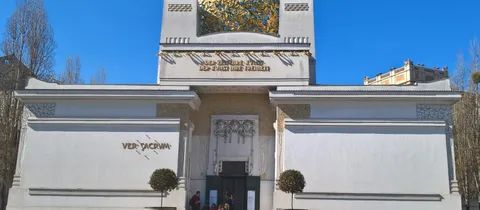
The Secession Building, with its golden dome of laurel leaves, is the manifesto of Viennese modernism. Its basement holds Klimt’s Beethoven Frieze. Read more in Vienna 1900.
The MAK – Museum of Applied Arts
The MAK on the Ring shows furniture, glass, porcelain and design – from the Middle Ages to the Wiener Werkstätte and contemporary design – plus Asian art, including Japanese prints.
Practical tips
- Closing days: the KHM is closed on Mondays (except in summer) and the Leopold on Tuesdays. Check opening hours in advance.
- Tickets: buy online to skip the queues. There are combined tickets for the Belvedere.
- Time: allow at least 3 hours for the KHM and 2–3 hours for the Belvedere.
- Break: the café under the KHM’s dome is one of the most beautiful in Vienna.
See also our Vienna guide and Vienna’s coffee houses.
Photos
Travel tips
-
Travelling abroad with kids – when, where and how
A practical guide to travelling abroad with children – the right age, child-friendly cities, how to plan the route and what documents you need.
-
Three architecture walks in Vienna – from Gothic to the Ringstrasse
Self-guided architecture walks in Vienna – St Stephen's and the Baroque churches, the Belvedere and Karlskirche, and the Ringstrasse from the Opera to the City Hall.
-
Vienna 1900 – Klimt, Schiele, the Secession, Freud and the Fools' Tower
A walk through fin-de-siècle Vienna – the Secession Building and the Beethoven Frieze, Otto Wagner and Adolf Loos, the Freud Museum and the Fools' Tower (Narrenturm).