Vienna's coffee houses – a guide to the famous cafés and their stories
Café Sacher, Café Mozart and The Third Man, Café Museum and the Secession artists, Landtmann, the cafés of the 10th district, and how coffee reached Vienna.
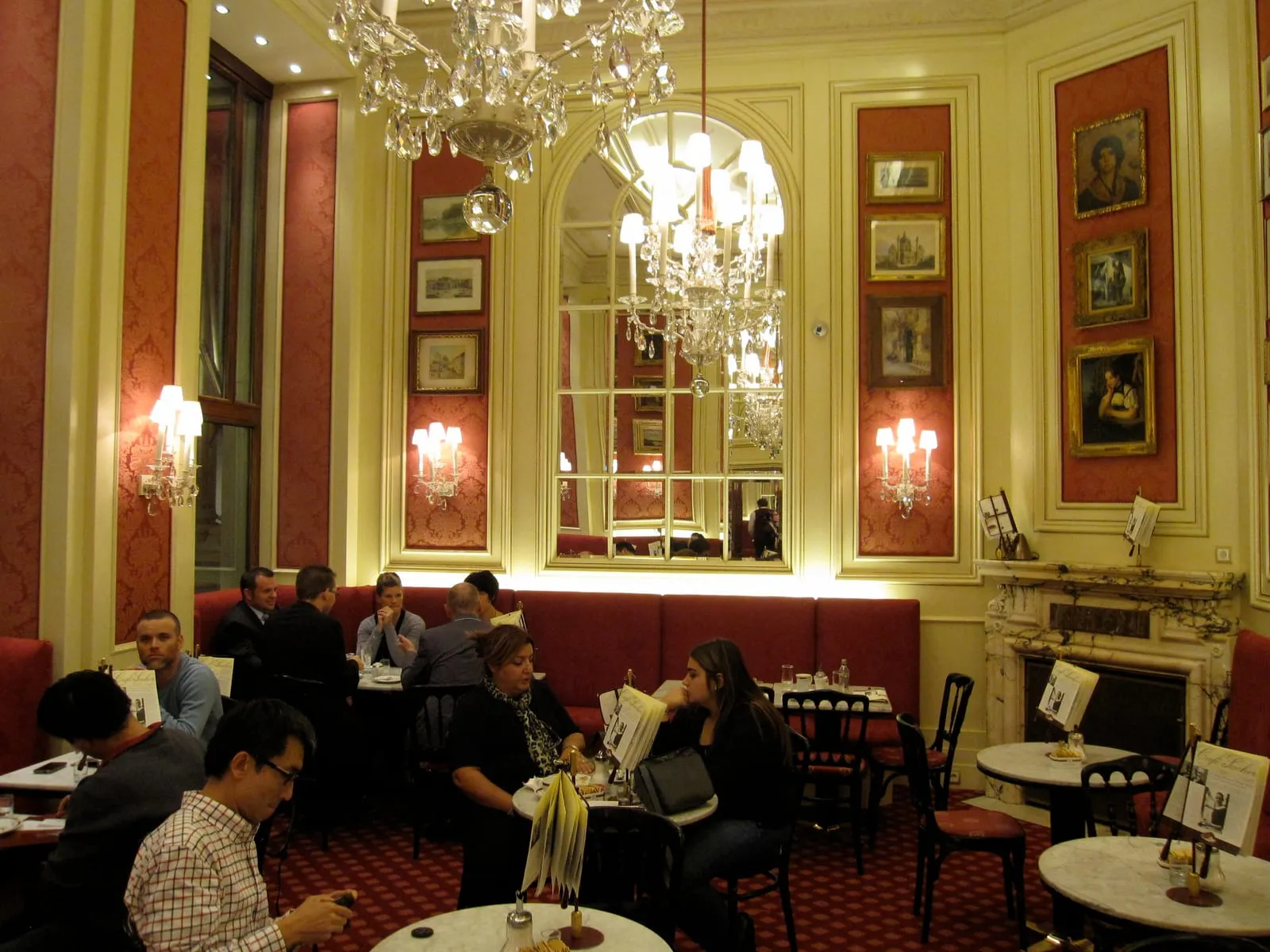
In Vienna a coffee house isn’t just a place to drink coffee. It’s a living room for thousands of people – a reading room, office and club. In 2011 Viennese coffee-house culture was added to Austria’s national inventory of intangible cultural heritage under UNESCO’s convention. You can sit for hours over a single cup, reading the newspapers clipped to wooden holders, and nobody will mind. Here are the most interesting cafés and the stories behind them.
How coffee came to Vienna
Legend says it all began in 1683, after the Ottoman army was routed outside Vienna’s walls by allied forces under the Polish King Jan Sobieski. Curiously, Emperor Leopold I had fled the city and was waiting at a safe distance to see whether the Poles would save it. The retreating Turks left rich spoils behind, including sacks of strange beans, and the first Viennese coffee houses appeared soon afterwards. The story is more legend than history, but it’s a reminder that coffee itself is a product of the meeting of East and West.
Café Sacher – the aristocrats’ café
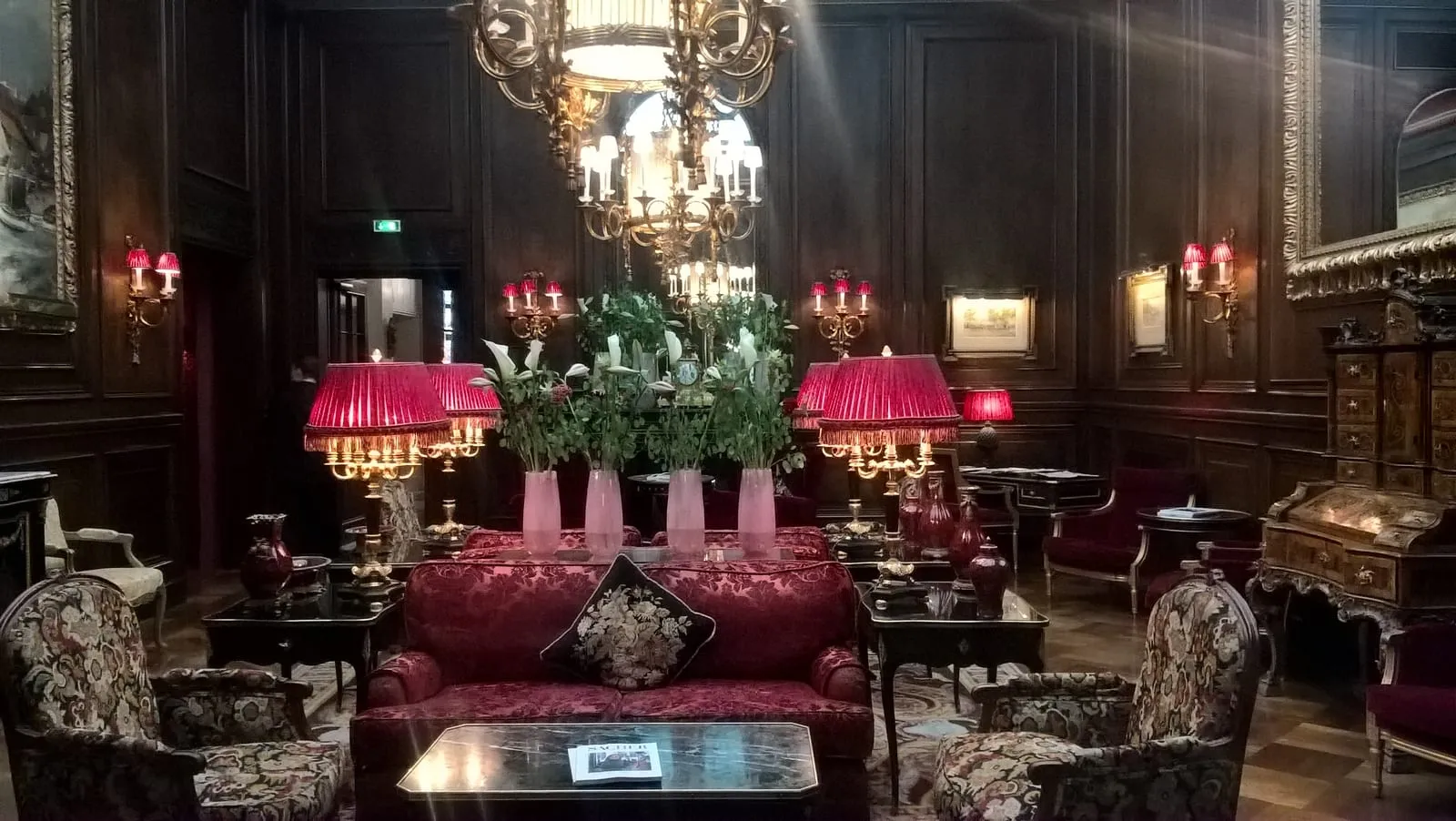
The traditional Viennese café was a bourgeois institution: a place for the middle classes, intellectuals and writers, and in the 19th and early 20th centuries almost entirely male. The café at the Hotel Sacher, founded in 1876, was the exception. Members of the old aristocratic families came here, though they otherwise kept to their own salons rather than cafés.
The writer Stefan Zweig recalled that his father, a wealthy and successful industrialist, avoided the Sacher. He found it “unbecoming” to sit at the next table to a Prince Schwarzenberg or a Count Lobkowitz. Today that sounds incredible. The Sacher’s owners might well have preferred more customers like Zweig’s father: the princes didn’t always pay their bills, and it was considered bad manners to remind them.
Don’t miss the original Sachertorte – chocolate cake with a thin layer of apricot jam, from a recipe dating to 1832.
Café Mozart and The Third Man
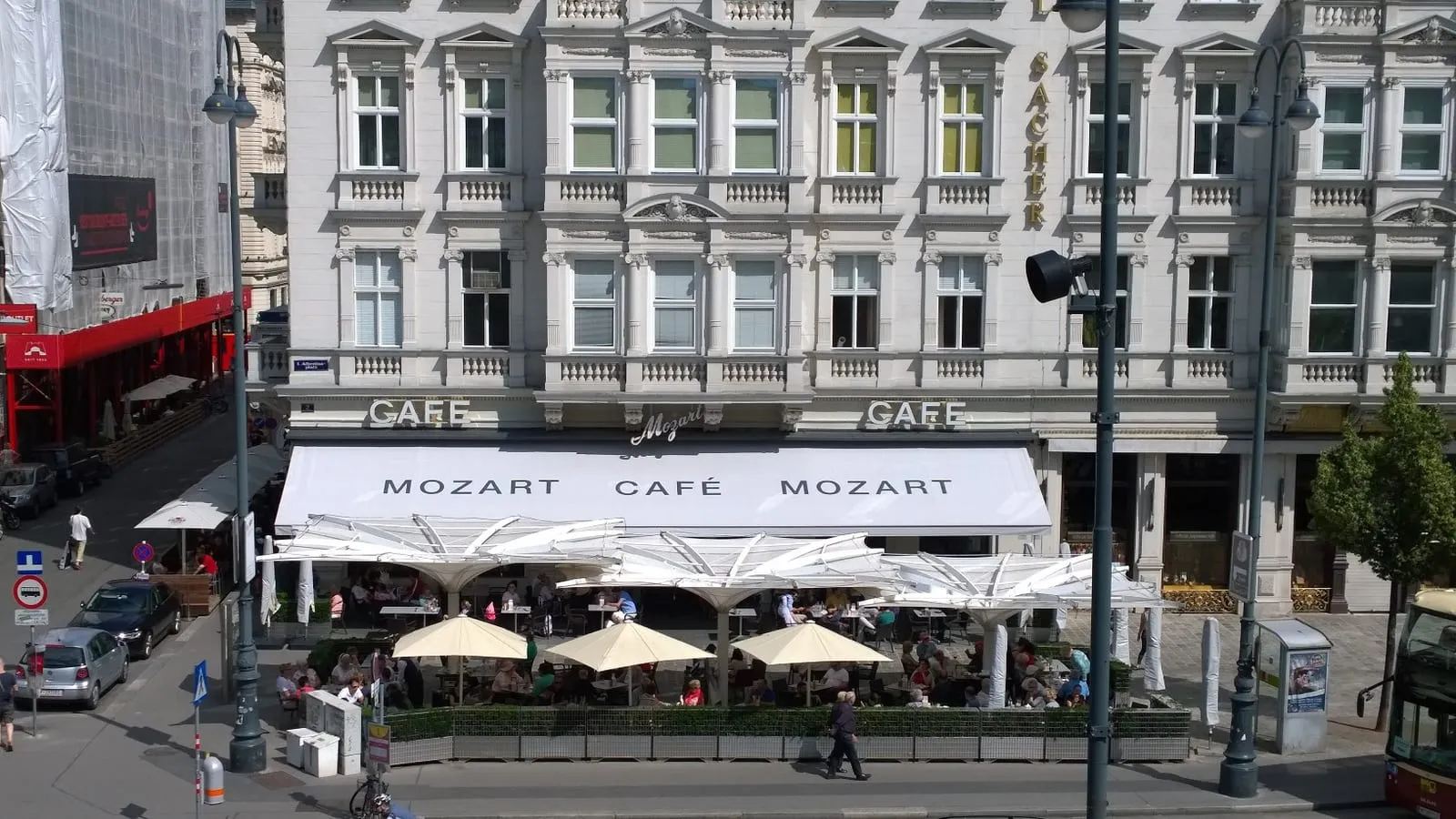
Behind the Opera, opposite the Albertina museum, is the opulent Café Mozart. It’s said that Graham Greene wrote much of the screenplay for The Third Man (1949) here. The film is set in bombed-out post-war Vienna, and one scene was shot in the street outside the café. The Burg Kino on the Ring still screens the film in English almost every day.
In the film, Harry Lime (Orson Welles) delivers his famous speech at the top of the Prater’s Giant Wheel: under the Borgias, Italy had war, terror and murder, but produced Michelangelo, Leonardo and the Renaissance – while Switzerland, with 500 years of peace and democracy, produced the cuckoo clock.
Café Museum – the artists’ café
On the corner of Karlsplatz is Café Museum, designed in 1899 by the architect Adolf Loos. Klimt, Kokoschka, Schiele and the writers Franz Werfel and Elias Canetti came here. Loos started out in the Secession style, then moved to a strict, almost ornament-free functionalism. Café Museum is a great starting point for exploring the architecture of Vienna around 1900. See Vienna 1900.
Café Landtmann and other classics
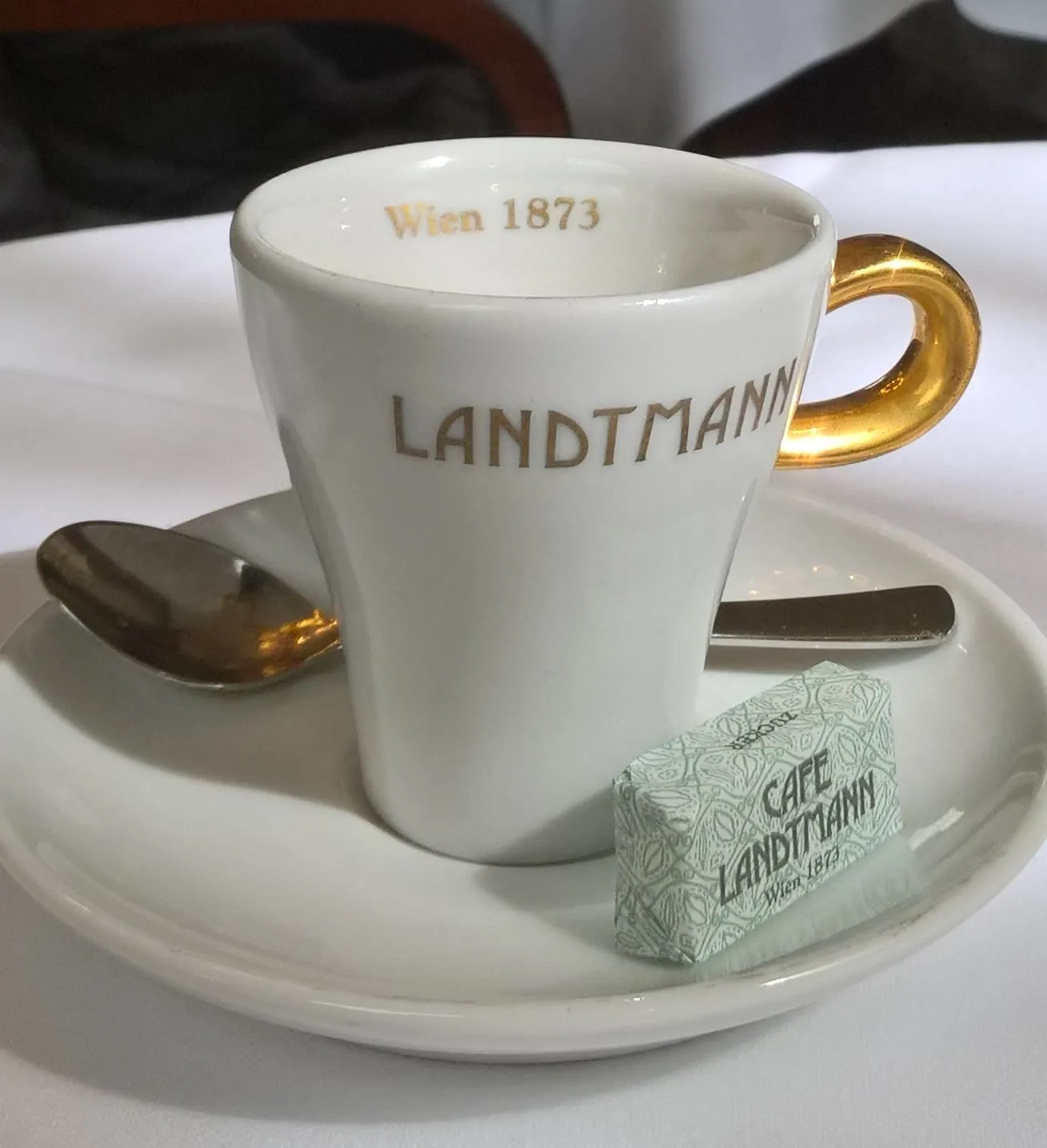
- Landtmann – next to the Burgtheater and the City Hall. A favourite of Sigmund Freud, actors and politicians.
- Central – in a columned former banking hall, once frequented by Trotsky, Peter Altenberg and many others.
- Sperl – an authentic café from 1880, with billiard tables.
- Hawelka – a dark, bohemian café famous for its Buchteln (sweet buns).
- Demel – the imperial confectioner on the Kohlmarkt.
Coffee in the 10th district
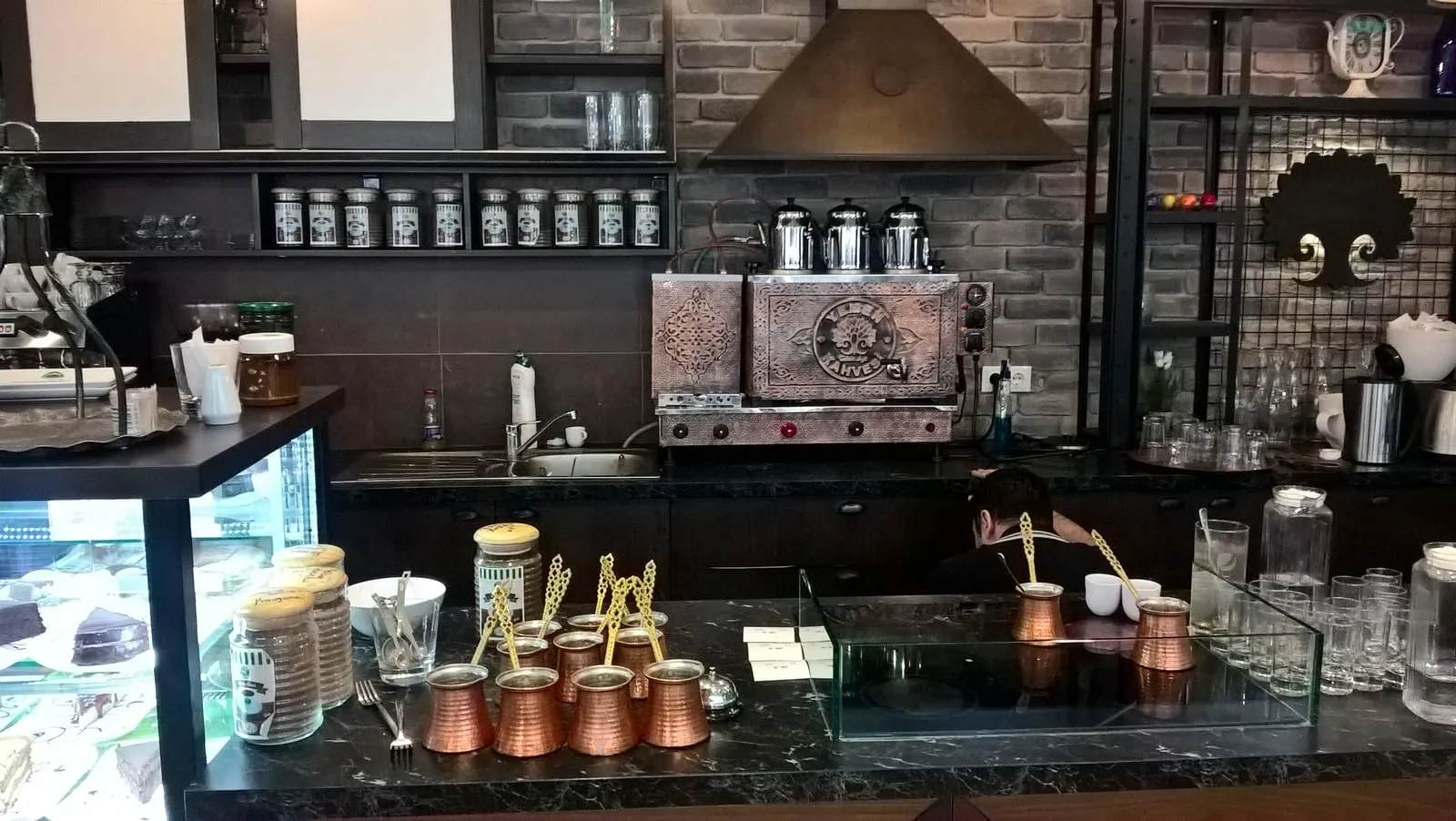
Locals sometimes warn visitors to stay away from the 10th district (Favoriten). In practice, “danger” in the Austrian sense rarely means more than a stolen purse. Along pedestrianised Favoritenstraße and Columbusplatz you’ll see a different Vienna, home to people from Turkey, Serbia, Bulgaria and across the Balkans. There was even a Yemeni café brewing coffee in metal pots. People drink coffee here too – and find the best kebab in town.
What to order
- Melange – coffee with milk and foam, the most popular.
- Einspänner – black coffee in a glass topped with whipped cream.
- Kleiner Brauner – a small coffee with a little milk.
- Fiaker – with a shot of rum or brandy.
- Coffee always comes with a glass of water, refilled for free.
See also our Vienna guide.
Photos
Travel tips
-
Travelling abroad with kids – when, where and how
A practical guide to travelling abroad with children – the right age, child-friendly cities, how to plan the route and what documents you need.
-
Three architecture walks in Vienna – from Gothic to the Ringstrasse
Self-guided architecture walks in Vienna – St Stephen's and the Baroque churches, the Belvedere and Karlskirche, and the Ringstrasse from the Opera to the City Hall.
-
Vienna 1900 – Klimt, Schiele, the Secession, Freud and the Fools' Tower
A walk through fin-de-siècle Vienna – the Secession Building and the Beethoven Frieze, Otto Wagner and Adolf Loos, the Freud Museum and the Fools' Tower (Narrenturm).